
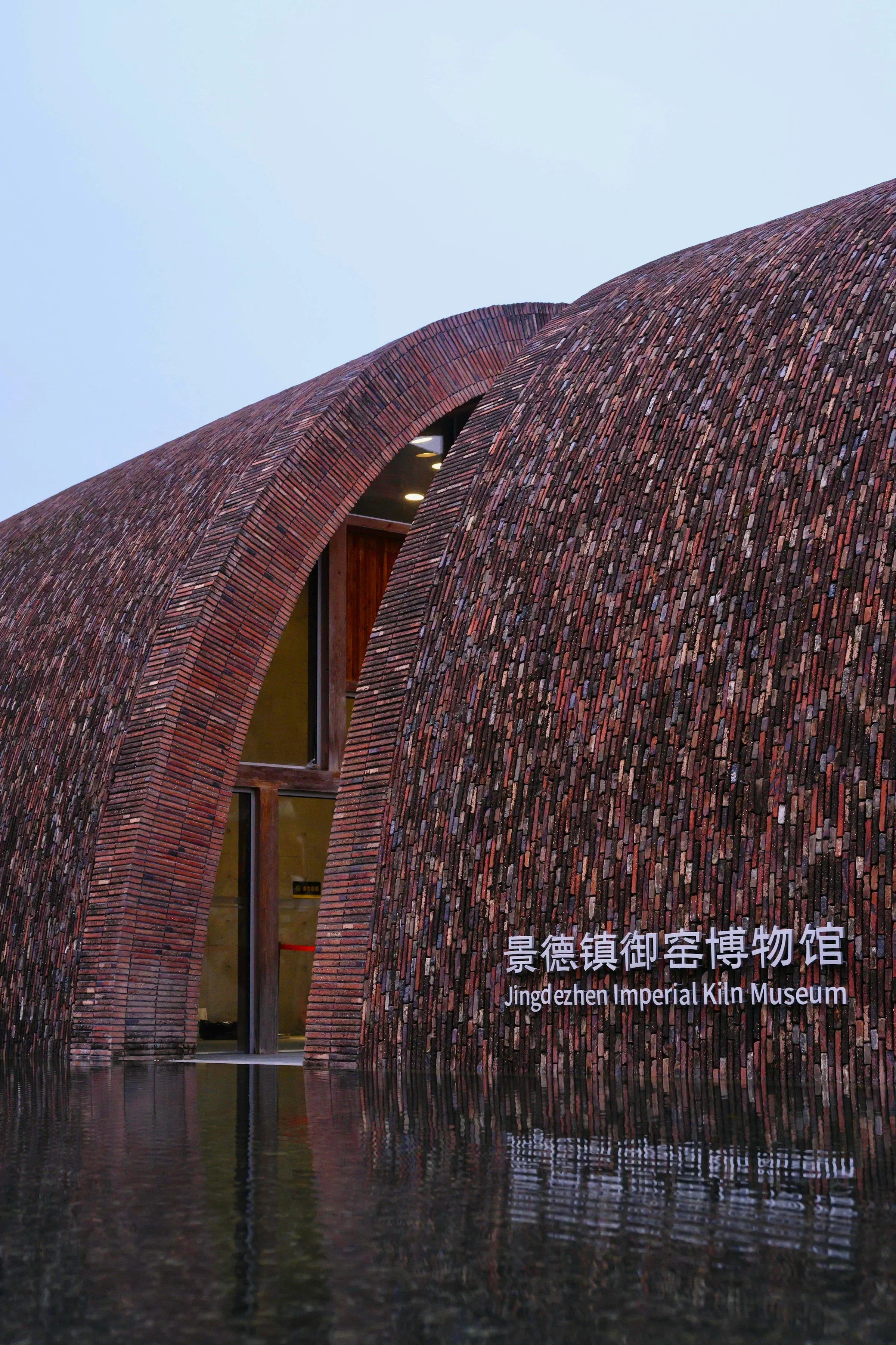
STEPPING STONES - JINGDEZHEN, JIANGXI
From Fire to Form
3 DAYS 2 NIGHTS | USD 1200
From the Emperor's Kiln to the Artist's Studio
There is a reason the English word for porcelain is china.
For over a thousand years, what this city made shaped how the world imagined an entire civilization.
For centuries, Jingdezhen made porcelain for emperors.
Today, artists, designers, students and craftspeople come here from across China and around the world to work with the same earth, glaze and fire.
The journey between these two worlds is the story of Jingdezhen.
Rather than treating the city as a museum of Chinese porcelain, we follow its evolution as a living place: from the earth itself to the maker's hands; from private workshops to imperial kilns; from inherited craft to reimagined practice.
Along the way, we meet the people who are carrying this tradition forward — not by preserving it unchanged, but by giving it new possibilities.
In July 2026, this story received the world's highest recognition: UNESCO inscribed Jingdezhen's porcelain heritage sites on the World Heritage List — honoring not a single monument, but an entire system of making, from clay pits to workshops to kilns to river wharves.
The recognition is new. The story it honors is a thousand years old.
The historical framing is supported by UNESCO’s page for the Jingdezhen Handicraft Porcelain Industry Sites and China’s official intangible-cultural-heritage record for Jingdezhen hand porcelain-making techniques.
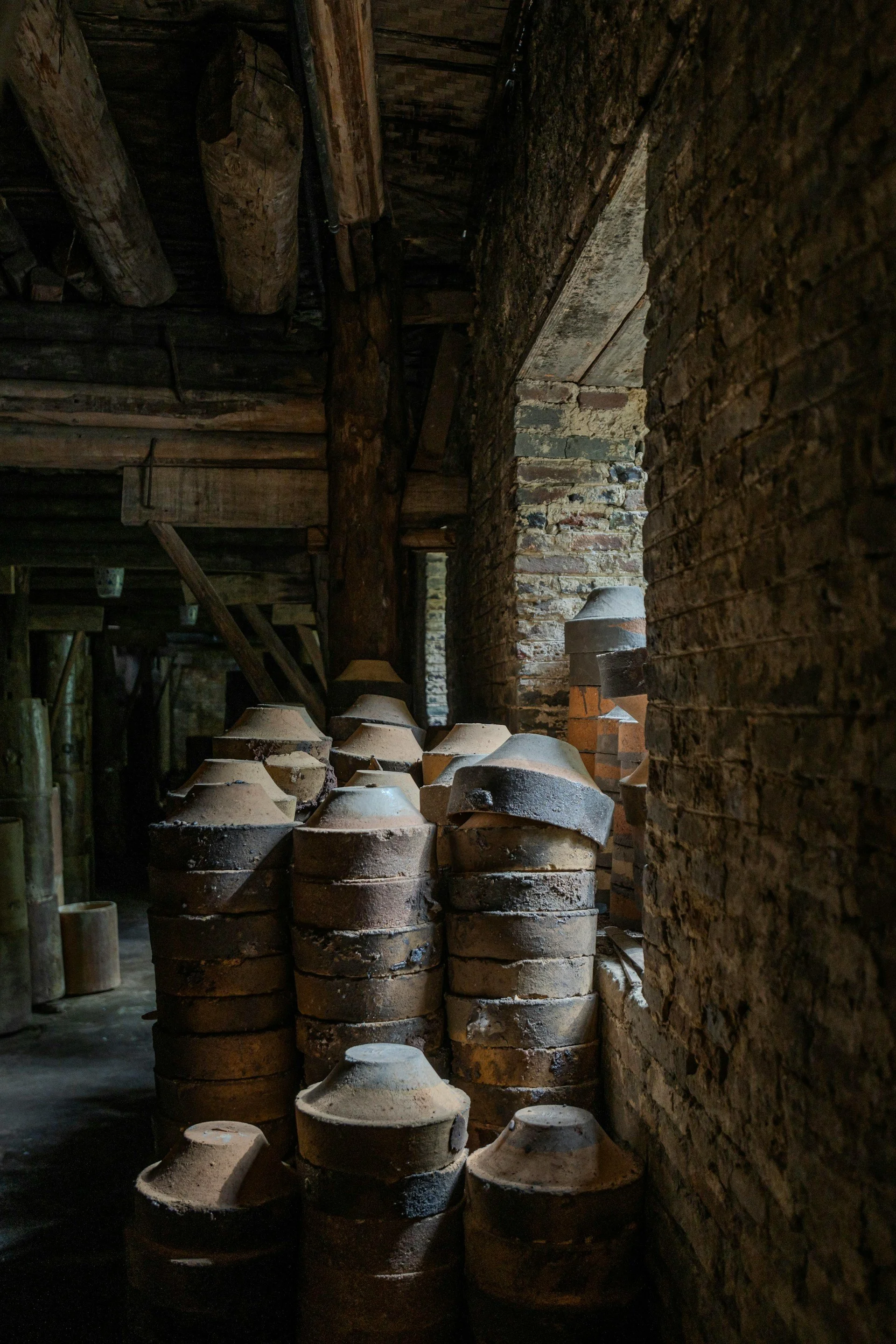
PROGRAM OVERVIEW Shape porcelain, paint in cobalt, and trace its journey from the mines of Gaoling to Jingdezhen’s historic kilns.
Minimum age: 12+ with guardian present
Language: English, led by bilingual guide
Group size: 4-6 people, 1:3 staff to guest ratio
Activity level: Moderate - no intensive activity
Accommodation: Boutique Hotel
Twin-share standard room
Single supplements available
DATES & PRICING3 Days 2 Nights - USD 1200 per person
+USD 300 for 4th Day Extension
Public Departures:
Available every Friday–Sunday.
Trips confirmed once four guests have booked.
Private Departures (inquire for more info):
Flexible dates; RSVP one week in advance.
Optional add-ons: 4th day, studio deep dives
Included:
Transport & accommodation during trek
All meals (3 per day)
All fees: attractions, activities, supplies
Travel accident insurance
Excluded:
Luxury souvenirs/memorabilia/art
Transportation to/from Jingdezhen, Jiangxi
Flights and airport transfer fees
Visa, passport, immigration fees
Personal expenses
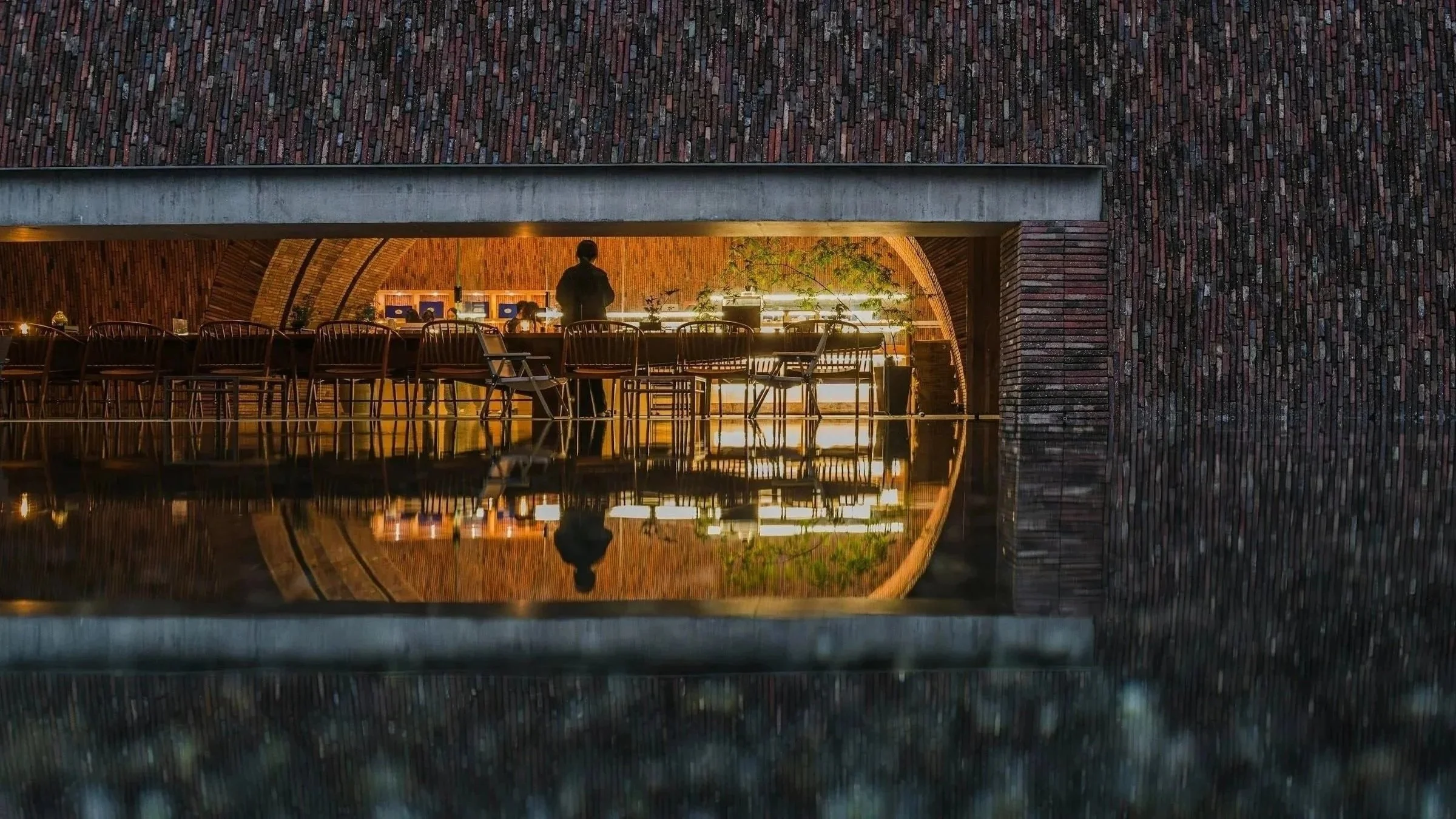
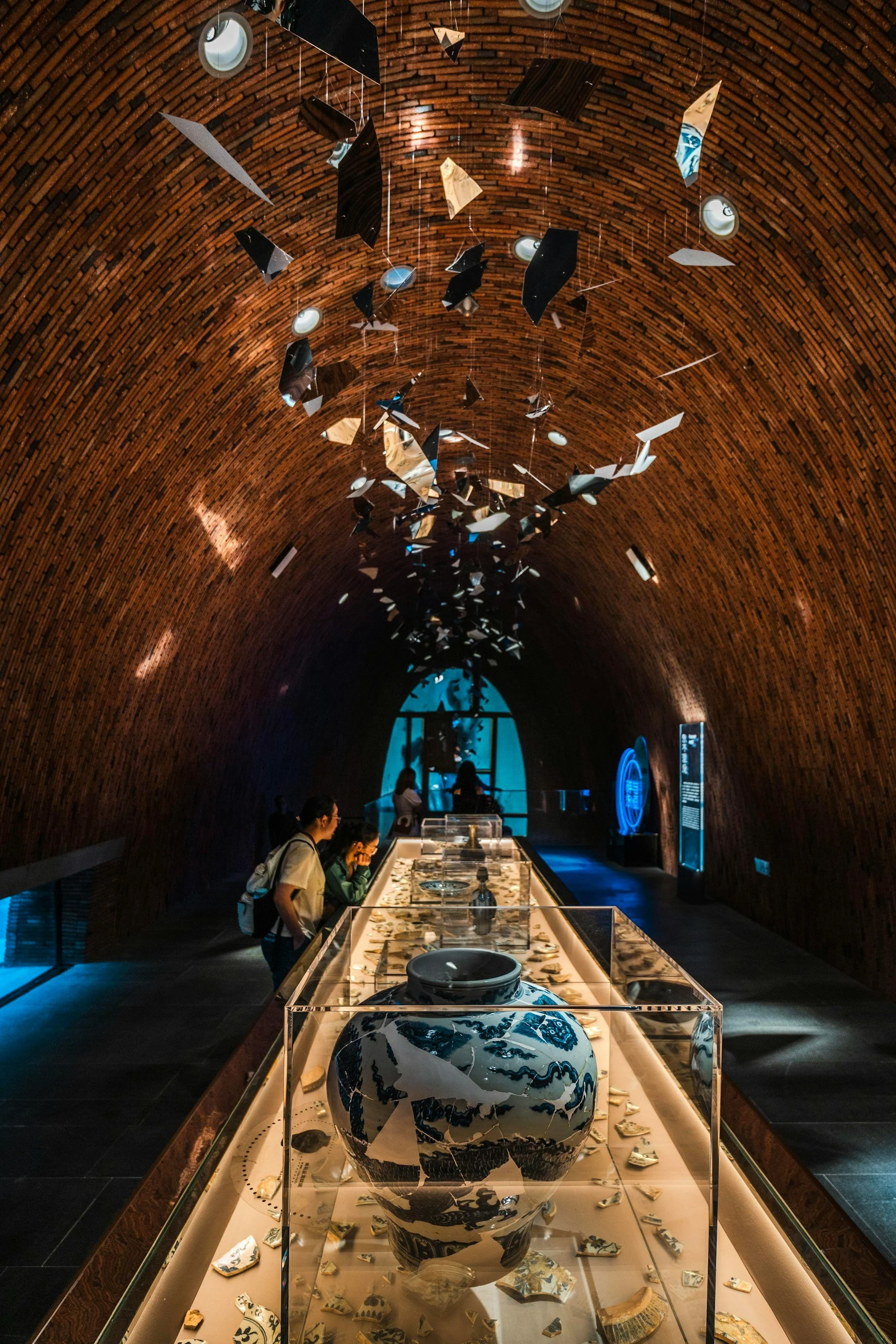
Itinerary
-
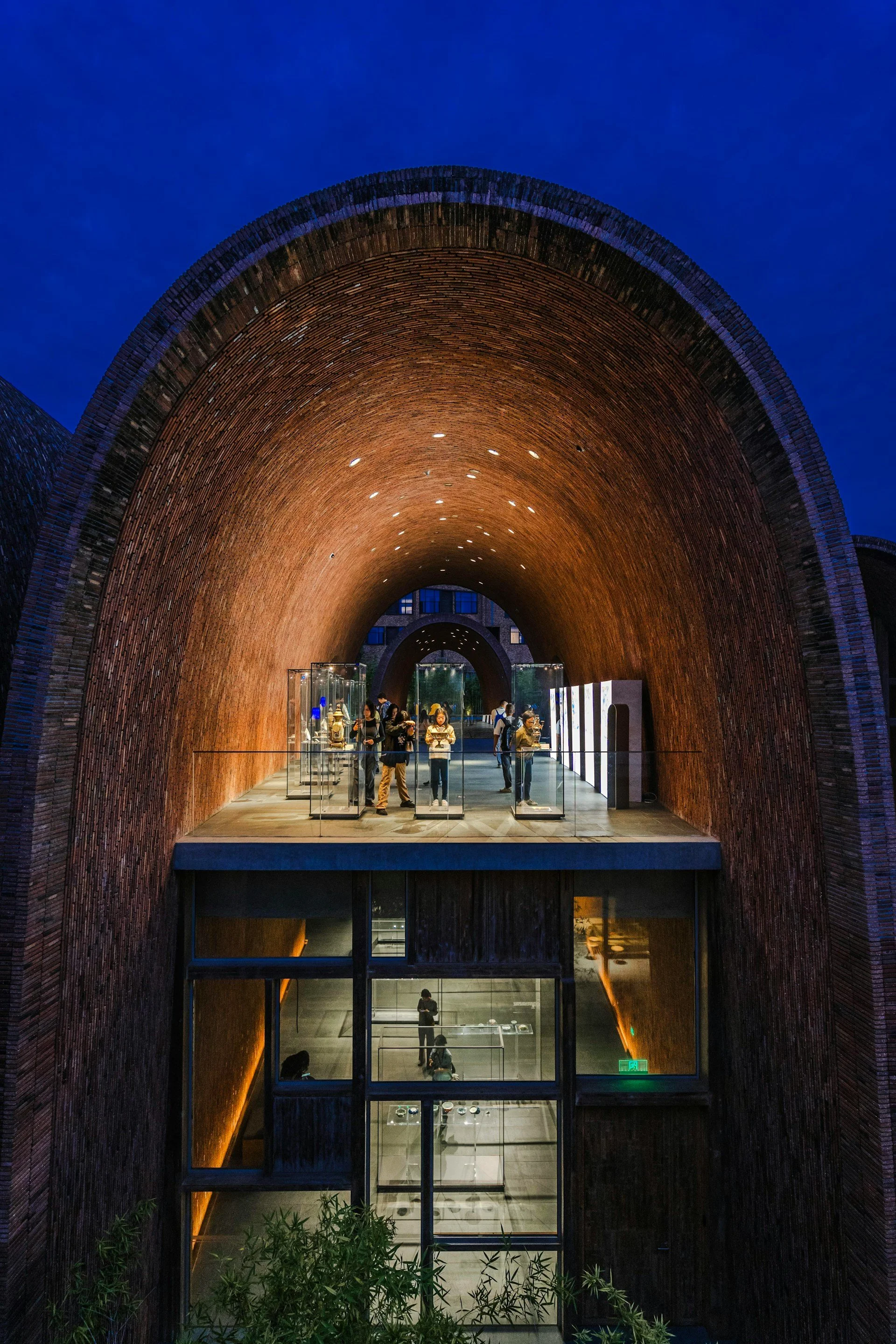
Begin at the Jingdezhen China Ceramics Museum, where centuries of porcelain provide an introduction to the materials, forms, techniques, and changing aesthetics that shaped the city. From early ceramics to imperial wares and modern production, develop the visual vocabulary that will guide the days ahead.
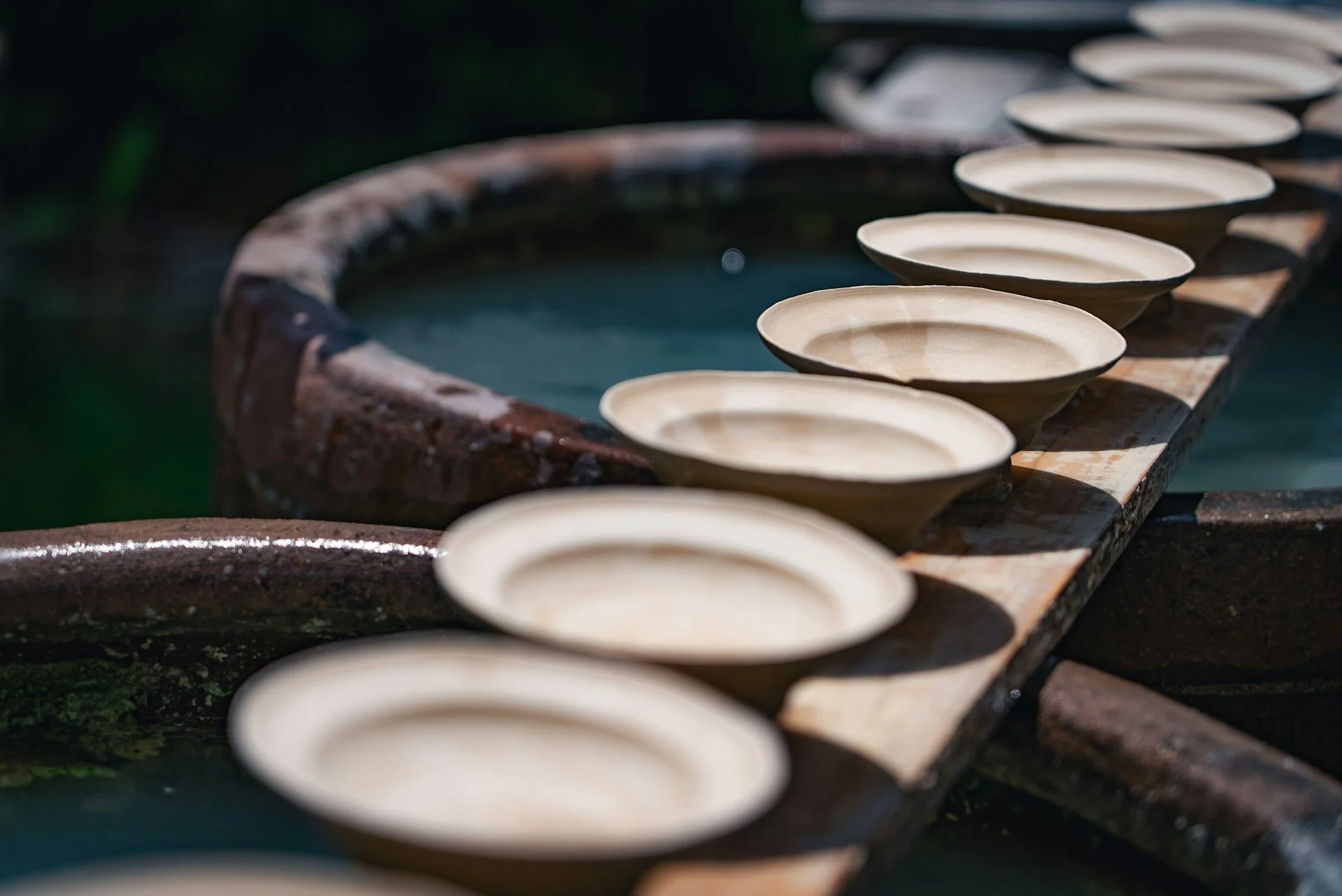
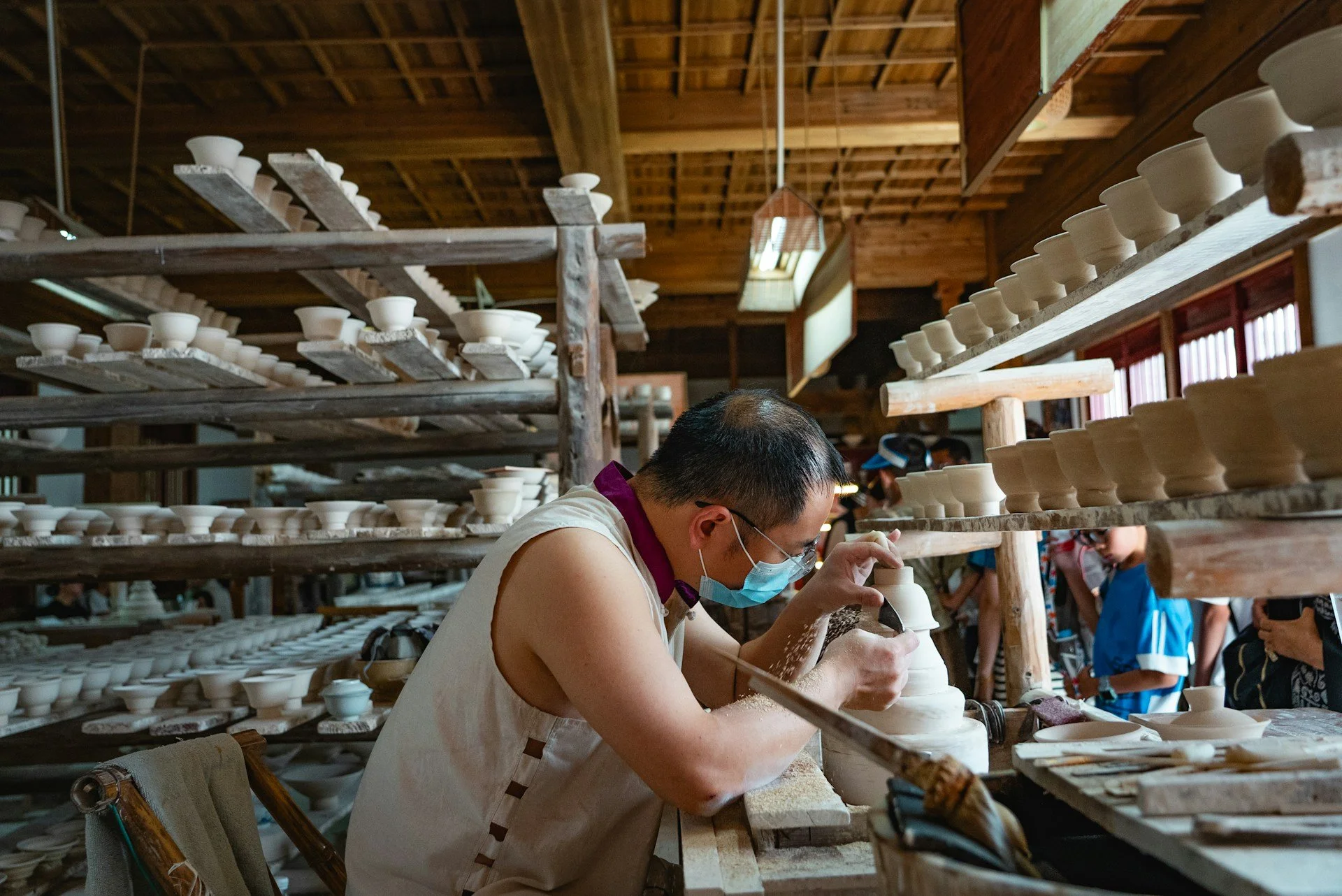
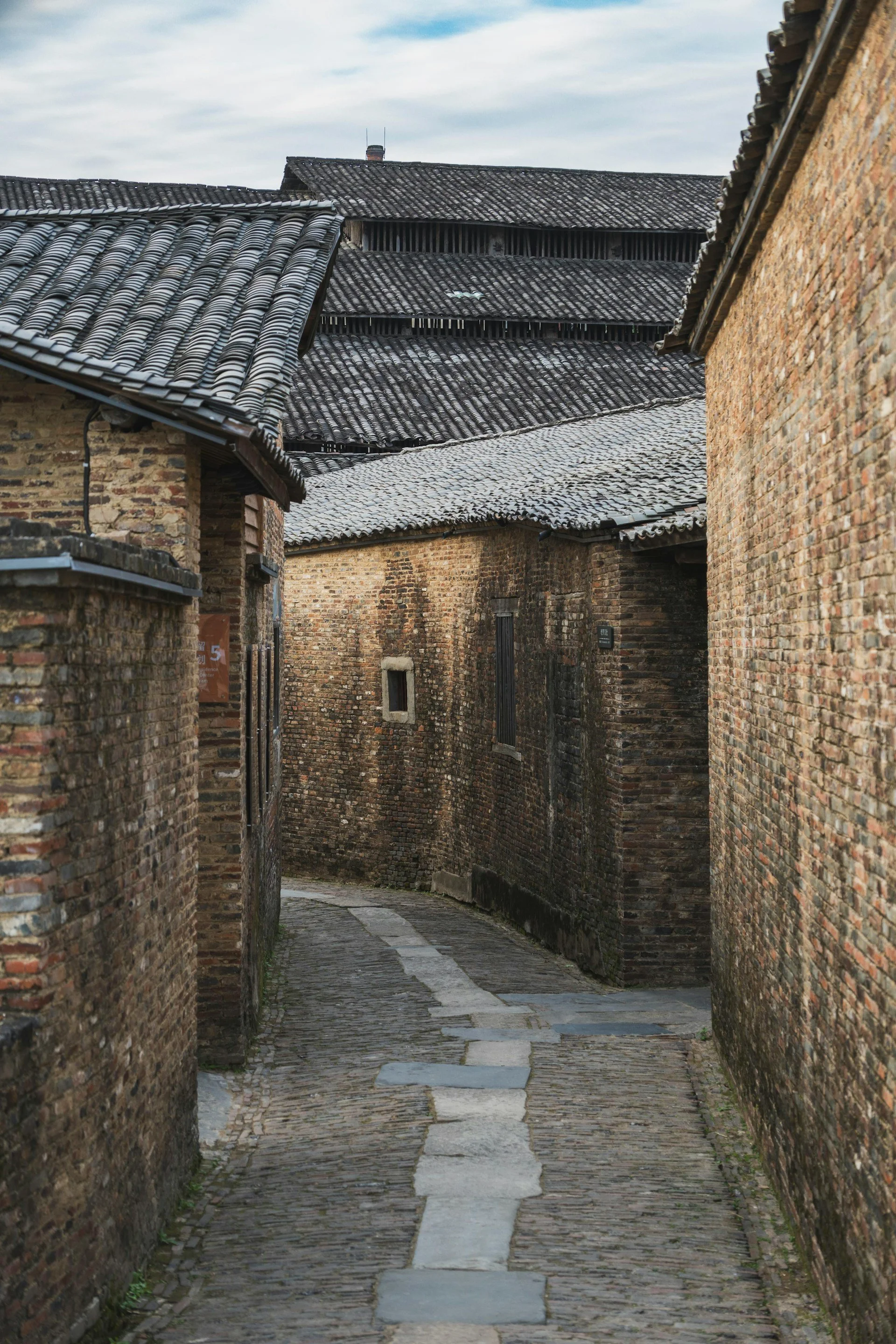
Then work directly with Jingdezhen clay in a hands-on ceramic workshop. Prepare and decorate your own pieces before sending them into the kiln, where heat and glaze will complete what your hands began. In the evening, explore Taoxichuan, a former porcelain factory whose brick workshops and old chimneys now shelter studios, galleries, cafés, and a lively market of young ceramic makers.
-
At the Folk Kiln Museum, encounter the working traditions that developed beyond the imperial court. Learn how generations of largely unnamed craftspeople divided, refined, and passed down the many stages of porcelain production—and how their work connected Jingdezhen with markets and communities far beyond China.
Continue to the International Ceramic Biennale, where artists from around the world use clay for sculpture, installation, design, and contemporary expression. The day culminates at the Imperial Kiln Museum, built around the remains of the workshops that once supplied porcelain to the imperial household. Explore how court commissions shaped materials, standards, and technologies, transforming a local craft into an organized system of imperial production. Elsewhere in the city, your own pieces await the same transforming fire.
-
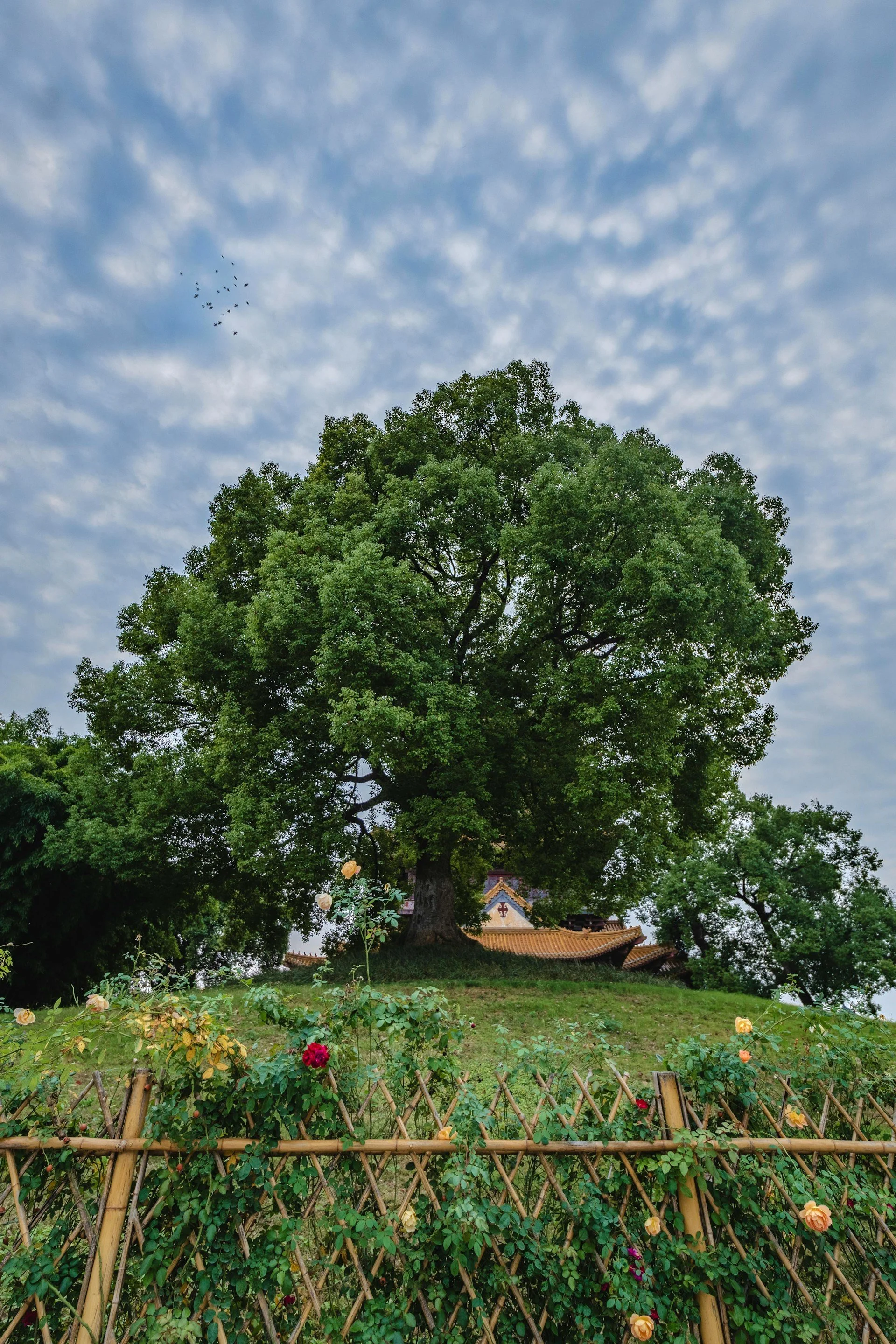
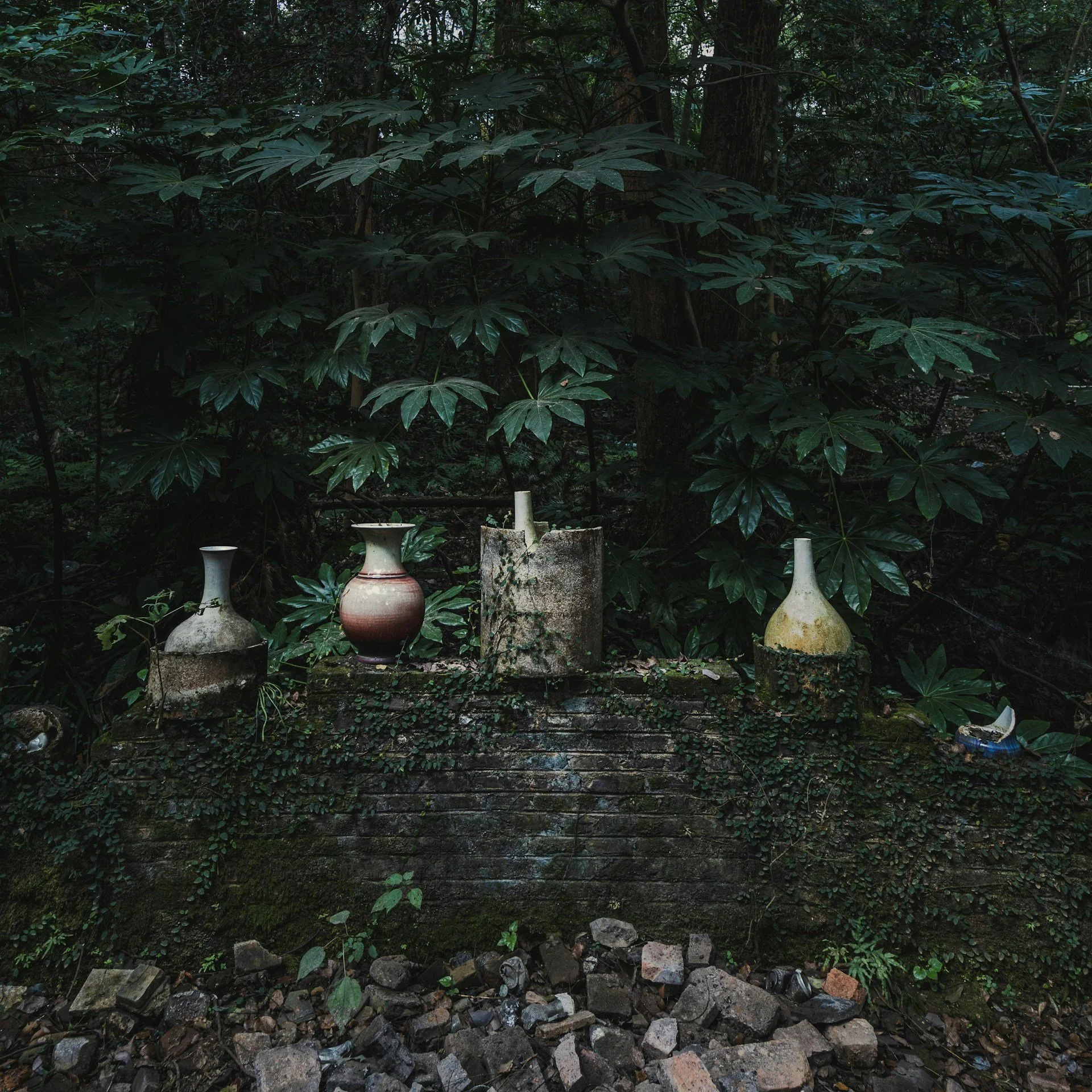
Begin in the countryside at the Fuliang Dadi Art Festival, where contemporary works are placed among fields and villages in conversation with the surrounding landscape and the people who live there. Continue to the Porcelain Palace, an extraordinary building created from one woman’s lifetime collection of ceramic fragments—a deeply personal vision expressed through architecture.
Return to the kiln for the opening and discover how clay, glaze, and fire have transformed the pieces you made on the first day. Some may emerge as imagined; others will carry unexpected colors, textures, or imperfections. In Jingdezhen, the fire always has the final word. Conclude at the Sculpture Factory, where former production spaces now house independent studios, galleries, and shops. Here, meet some of Jingdezhen’s jingpiao—artists and designers drawn to the city by an ecosystem in which inherited knowledge becomes the starting point for new forms.
-
Note: Day 4 is an optional add-on
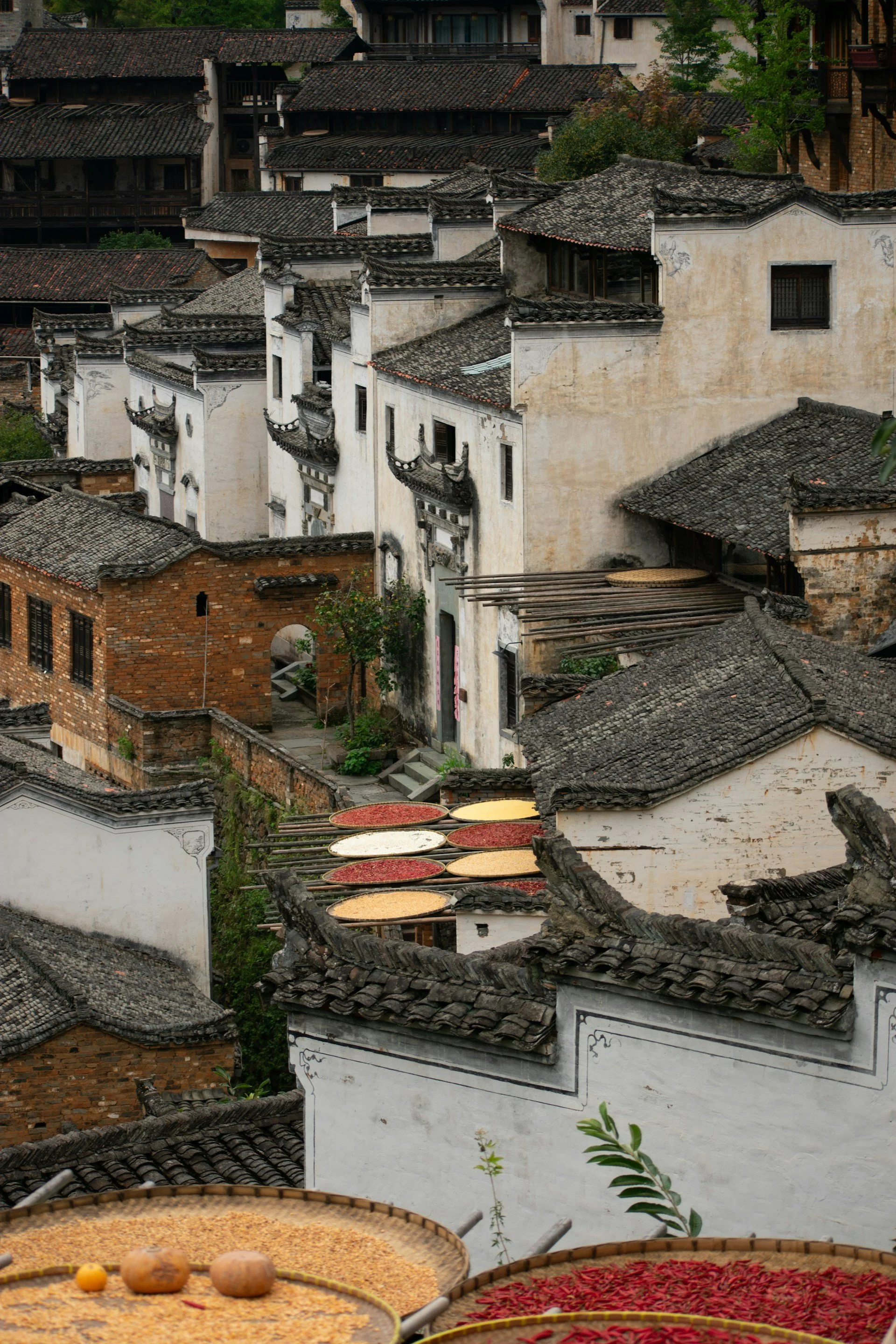
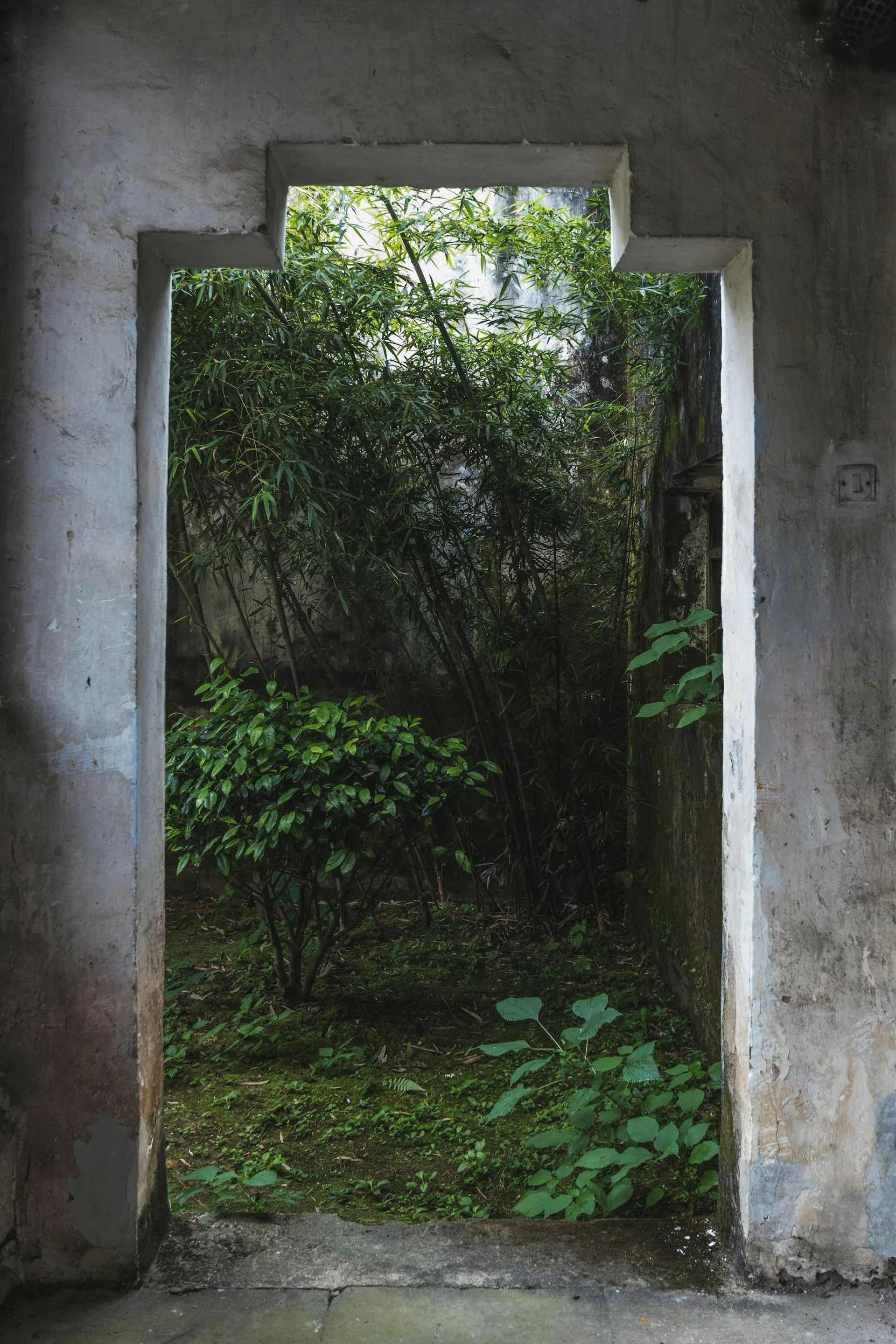
From Fuliang County, ascend to Gaoling Mountain, the landscape that gave kaolin clay its name and supplied Jingdezhen’s porcelain industry for centuries. Follow sections of the old stone path through the forest to historic mining pits and processing remains, learning how raw clay was extracted, refined, and combined with porcelain stone to create the hard, translucent body for which Jingdezhen became known.Descend to Dongbu Village, where an old street, bridges, and river landing preserve traces of the network that carried ceramic materials from the mountains toward the city’s workshops. Share lunch in the village before exploring its relationship with the porcelain trade. Together, Gaoling and Dongbu reveal the wider landscape behind every finished object: the miners, porters, waterways, and rural communities that sustained Jingdezhen’s kilns. Return to the city in the late afternoon for onward departure or an additional night.