

2027 MARCH 13 - 20
8-DAY FULL TREK | USD 2500
5-DAY MODULE | USD 1800
HERITAGE IMMERSION TREK - ANHUI, CHINA
Huizhou

The Experience of Xiū
to mend · to cultivate · to practice
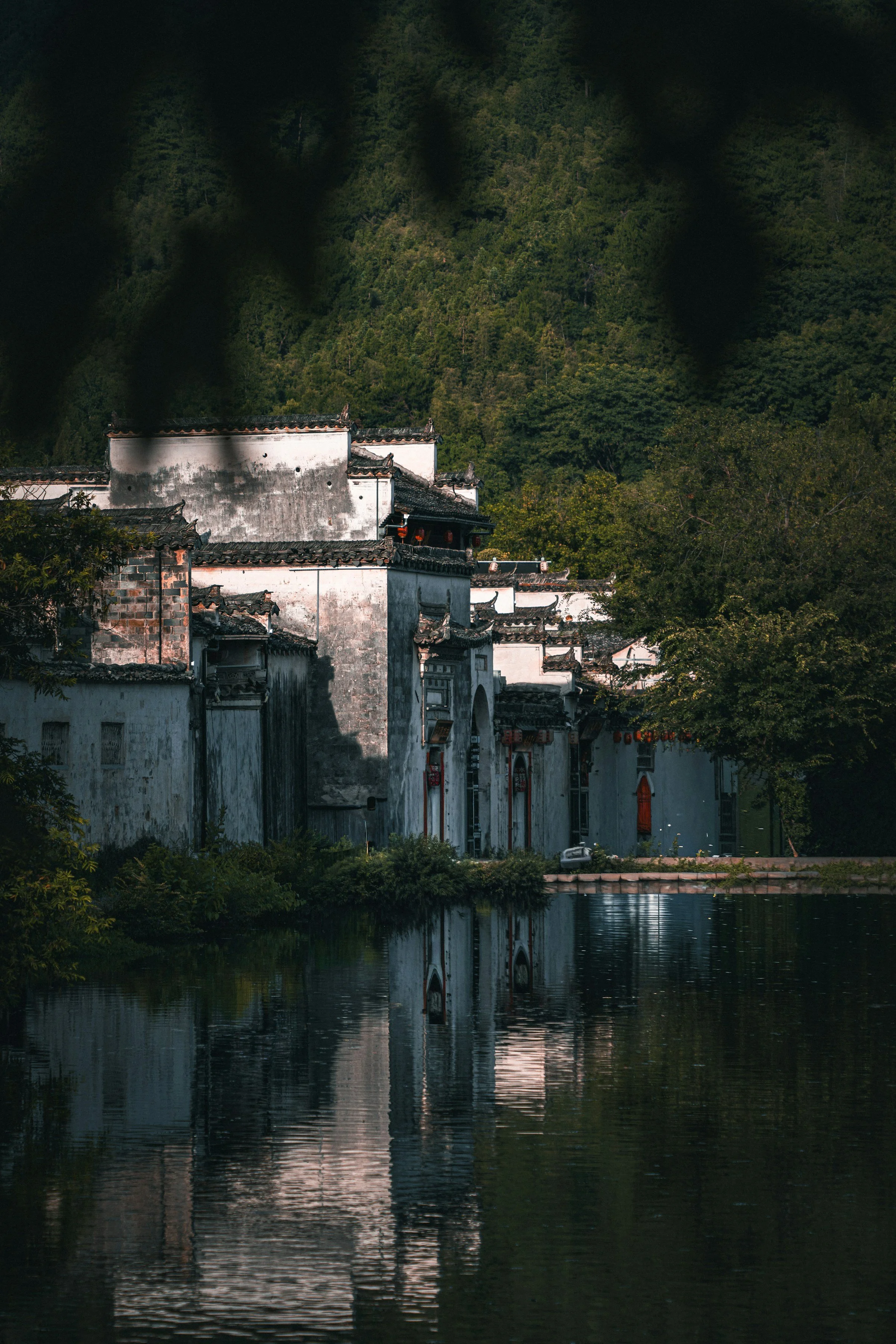
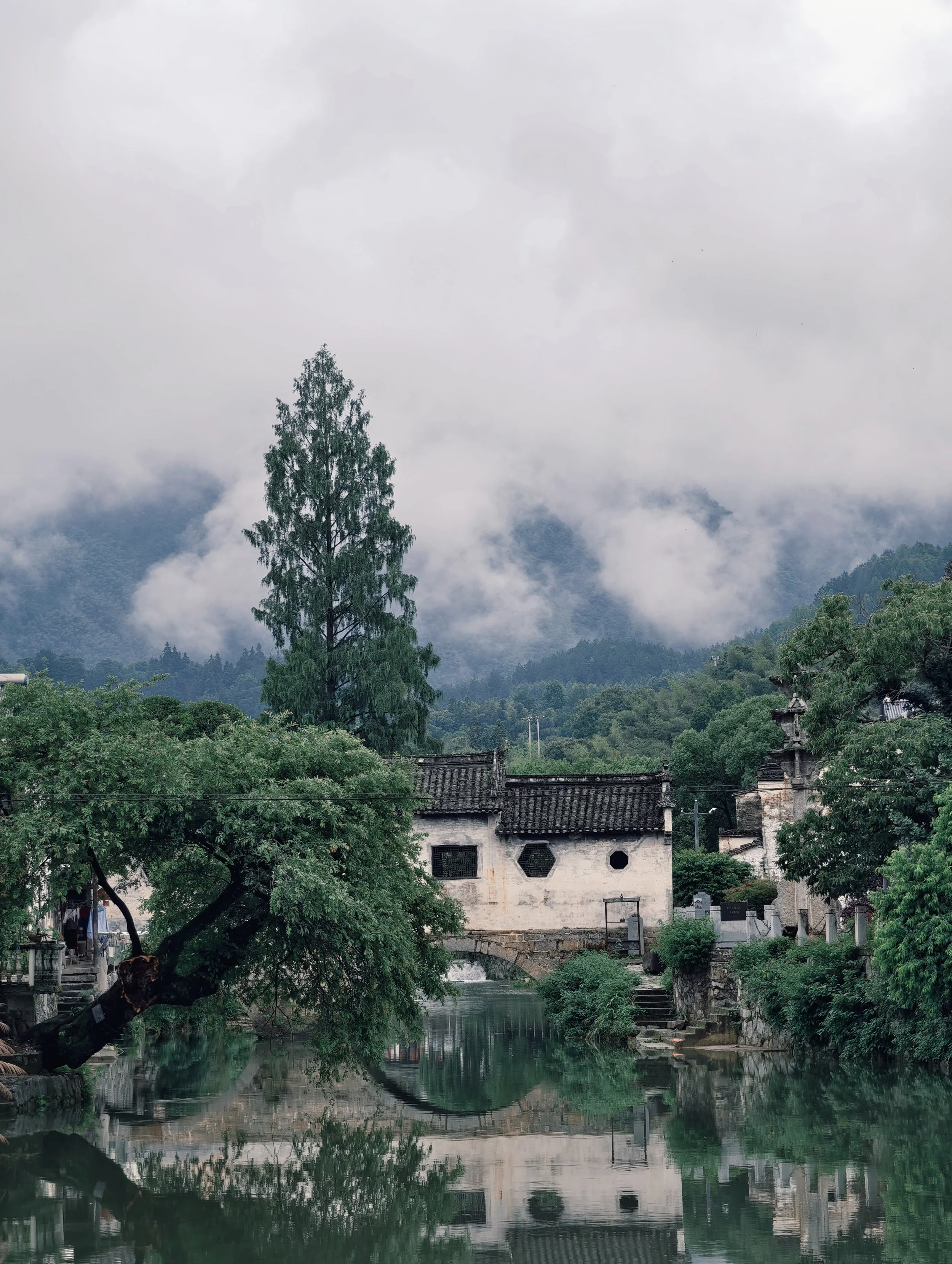
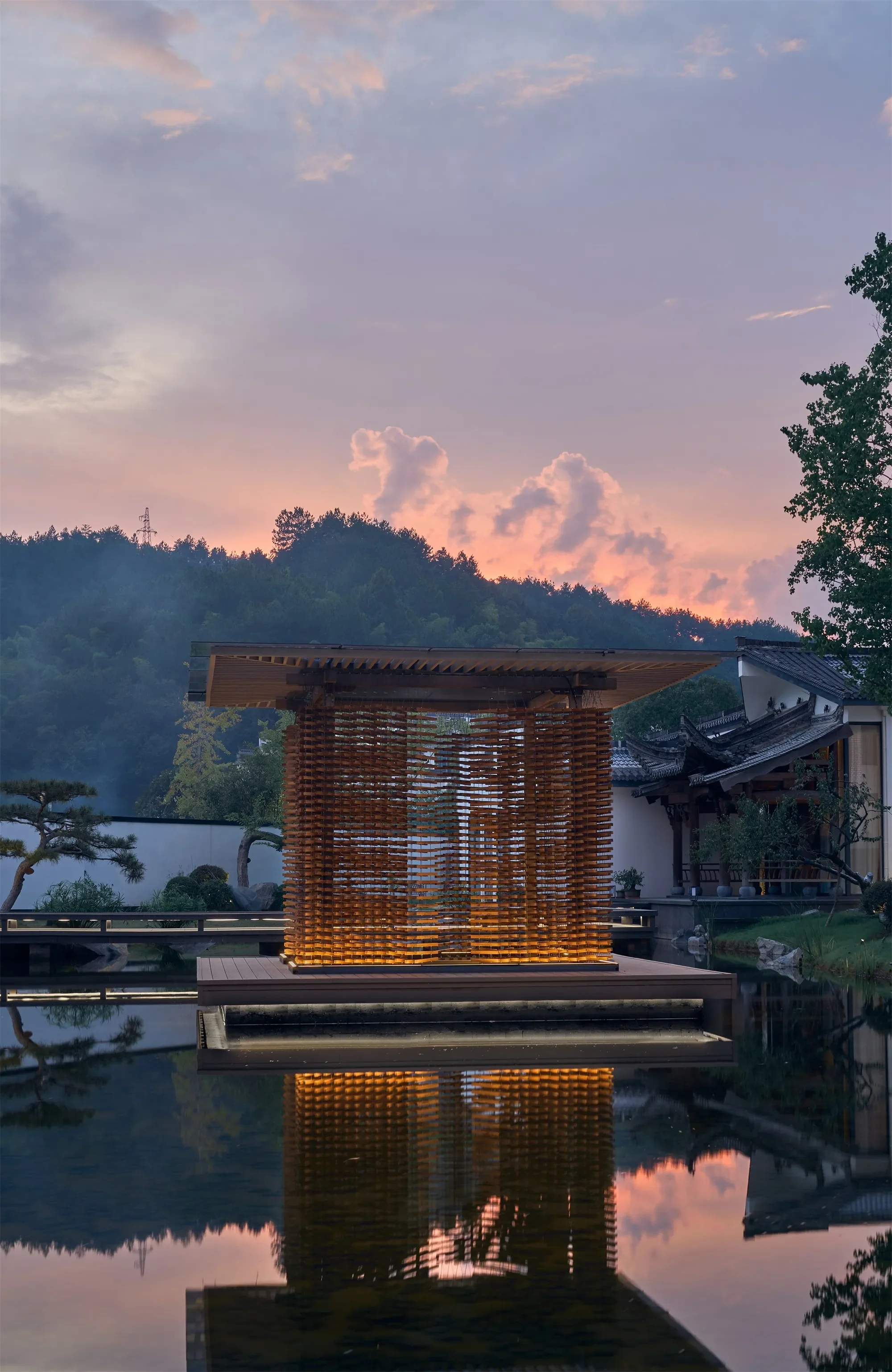
Huizhou 徽州 is a historical region of modern day Anhui province.
In this region, the word 修 (xiū) carries multiple meanings: to repair a building, to cultivate oneself, and to practice a discipline.
However, these were never separate acts. This trip is built around that idea — that mending structures, bettering oneself, and honoring a lineage are the same gesture: patient, thoughtful transformation.
Huizhou is a living paradox — a resource poor, mountain-locked valley that produced some of China’s wealthiest merchants and most storied scholars. Because the land could not feed its people, young men left to trade salt, tea and timber across the empire and sent the money home.
But Confucian China looked down on merchants, so that wealth was spent building respectability — ancestral halls, archways, libraries, the education of sons, the patronage of art. Every carved beam, every ink-stick, every opera stage is merchant wealth converted into Confucian virtue.
That conversion is 修.
Heritage Immersion Trek
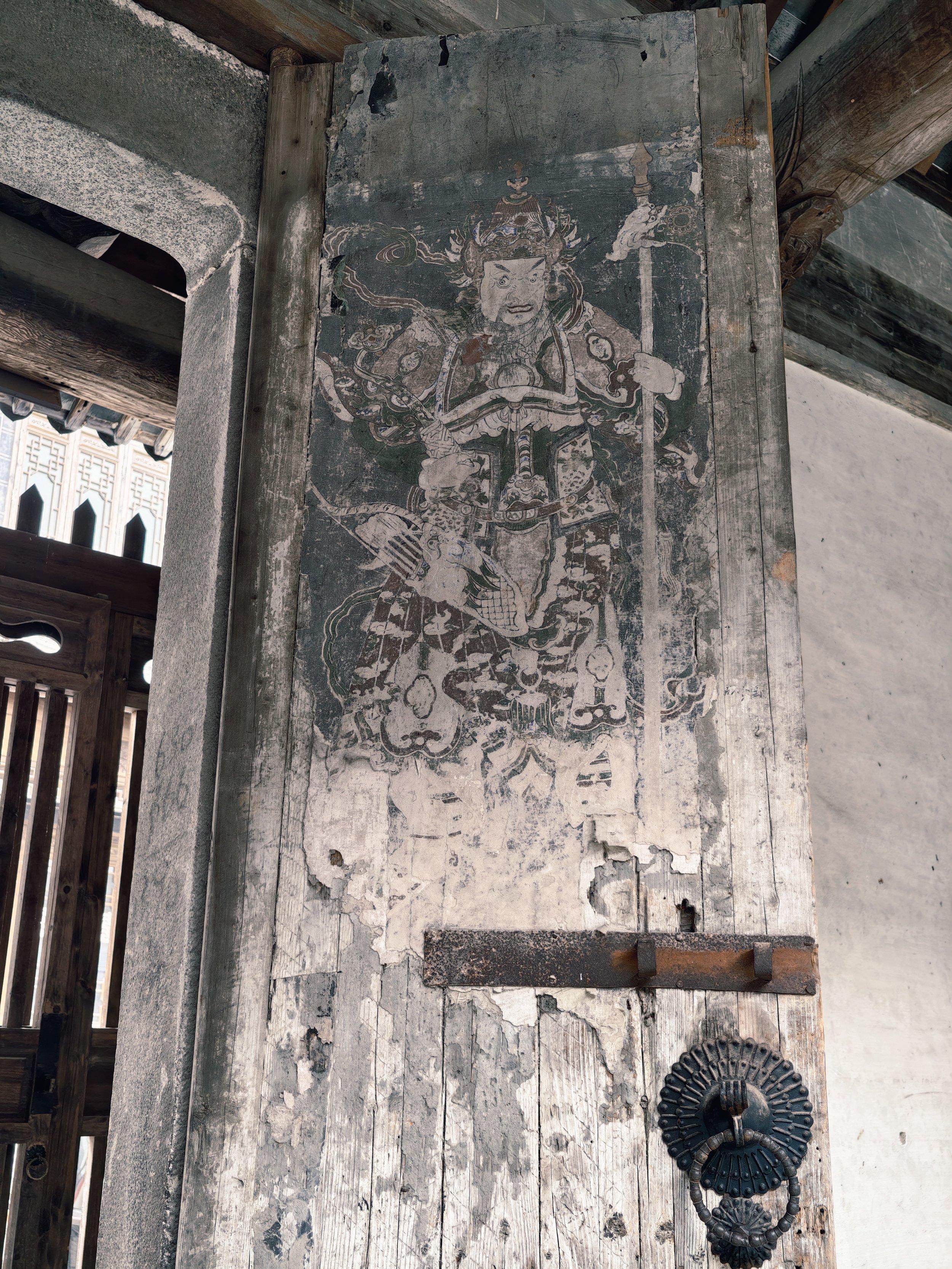
屋 ENGAGE A HISTORIC HOUSEWork alongside conservation and heritage experts in Qikou Village, working on a historical Huizhou residence under restoration.
Your participation is not symbolic: every trip makes a direct financial contribution to the residence’s restoration fund, supporting traditional methods, site documentation, and the ongoing repair of this historic house.
村 SUPPORTING A LIVING VILLAGELiving in a working Huizhou village keeps value in the place itself.
Your visit supports local hosts and village services — while also helping fund the restoration of the Residence and subsequent structures, the project’s central heritage site.
迹 LEAVE A LASTING RECORDYou do not simply pass through.
Each group helps observe, record and document Qikou village and the people still living in it. These materials become part of a growing archive for the site, supporting future restoration, education and public understanding.
You leave knowing that your visit has added something lasting: direct funding for the repair work, and records that help the place be remembered, understood and protected.
More questions? Jump to FAQ.
A Two Part Journey
MULTIPLE OPTIONS · Join the complete 8-day journey—or choose the 5-day module that interests you most.
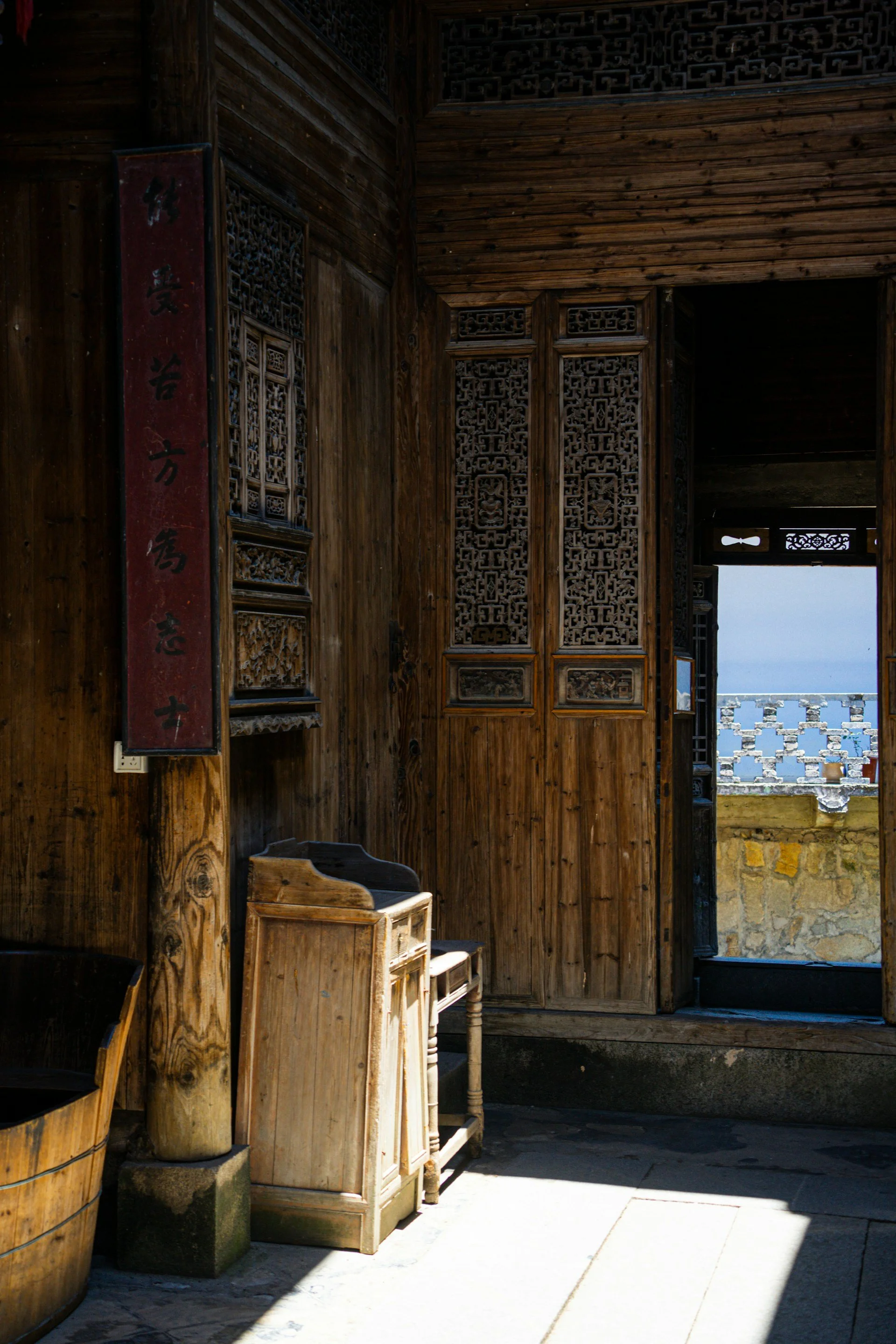
I · FOUNDATIONS (5D·4N)A beautiful first taste of old China — ancient streets, master crafts, hidden villages. Complete this as a short trip, or the start of a deeper trek.
Beginning in Shèxian, our journey sets its intellectual compass, taking its first step into historical Huizhou.
Through architectural history, field methodology, and story-driven orientation, guests learn how to read Hui-style buildings, streets, and figures through a discerning lens.
The first 4 days provide additional exposure and vocabulary, enriching the context and insights participants have for subsequent experiences.
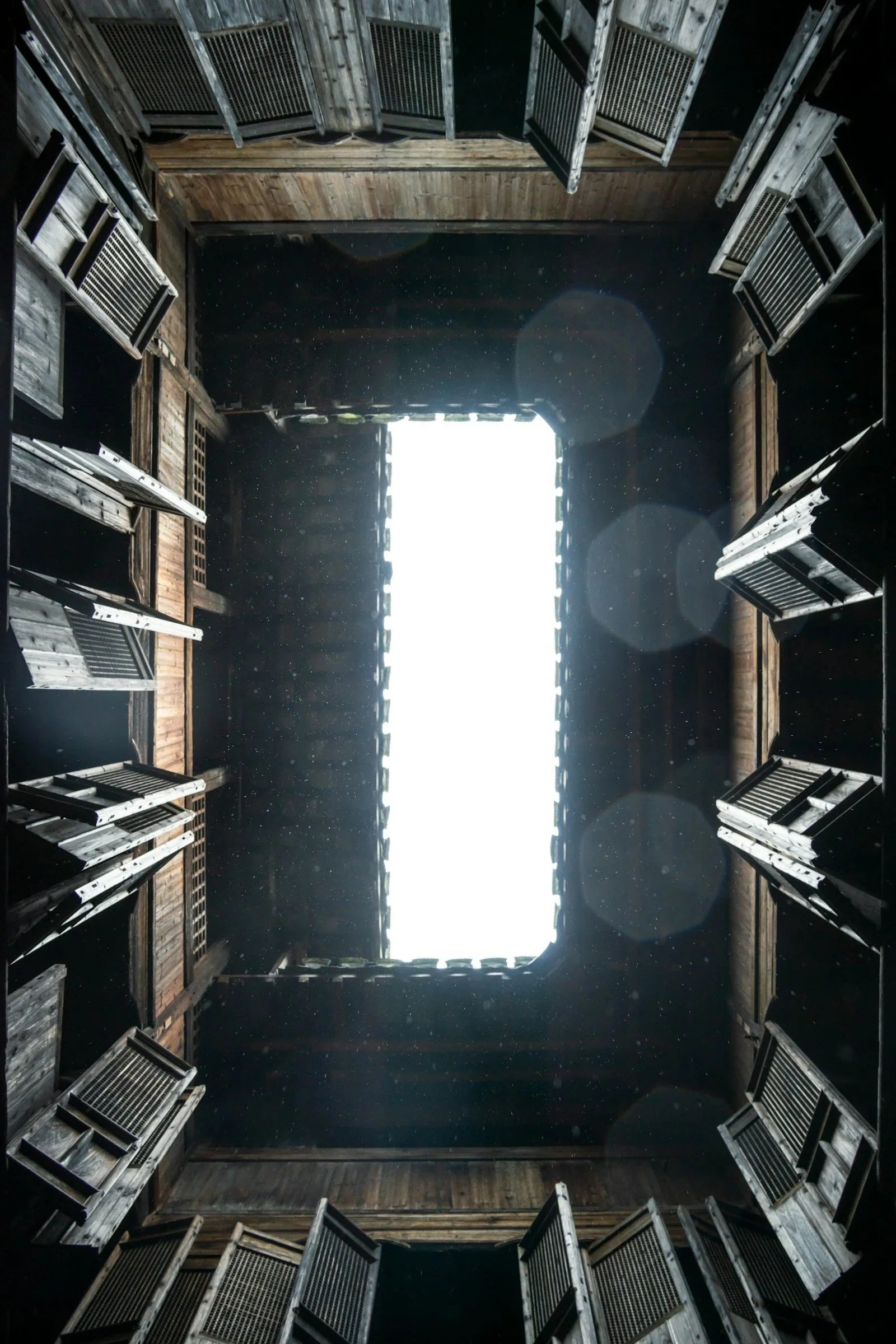
II · CONSERVATION (5D·4N)What no other China trip offers: living in an ancient village, learning from cultural custodians, and getting hands-on with a 400 year old building.
Based in two historical villages, this module brings guests to the front lines of conservation.
Working around structures under restoration, visitors encounter the craft, constraints, and care behind active projects while immersing in the daily practices of rural life.
The experience explores tensions between memory, modernization, revitalization, and responsibility as it shapes how heritage will evolve.
PROGRAM OVERVIEW An immersive trek for culturally curious adults—China newcomers and residents alike—who enjoy learning, making, and exploring in a small group.
Minimum age: 18+
Language: English, led by bilingual staff & guides
Group size: 6-12 people, 1:3 staff to guest ratio
Activity level: Moderate - hiking on paved trails
Accommodation: Boutique Hotels & equivalent
Twin-share standard room
Single supplements available
DATES & PRICINGFull Heritage Trek - USD 2500
March 13–20 · 8 days / 7 nights
Single Module Only - USD 1800
I · Foundations: March 13–17 · 5 days / 4 nights
II · Conservation: March 16–20 · 5 days / 4 nights
*Note: the modules share a two-day transition.
Included:
Transport & accommodation during trek
All meals (3 per day)
All fees: attractions, activities, supplies
Travel accident insurance
Excluded:
Luxury souvenirs/memorabilia/art
Transportation to/from Anhui
Flights and airport transfer fees
Visa, passport, immigration fees
Personal expenses

Meet the Experts
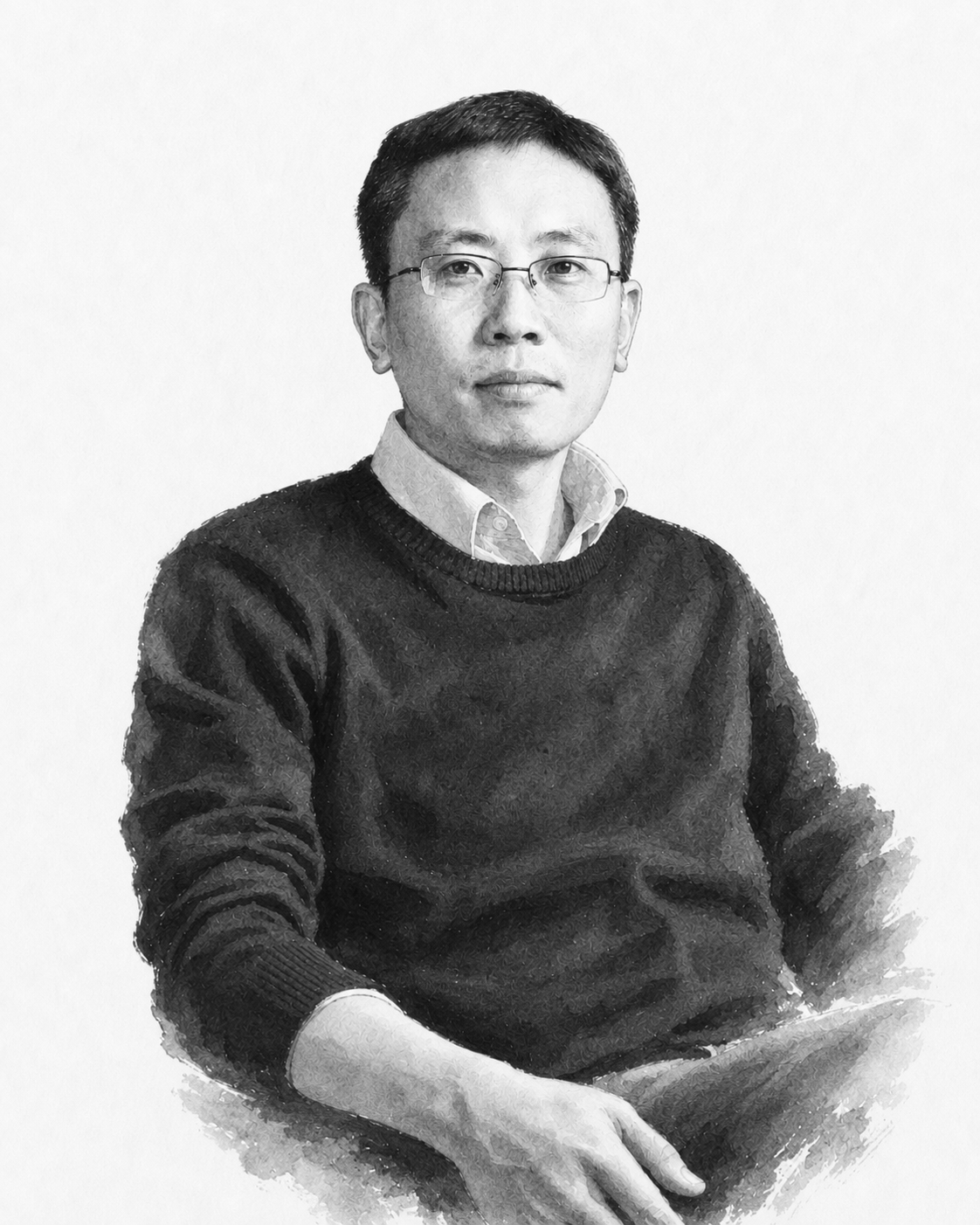
Matthew Hu Xinyu
How can historic buildings be preserved without separating them from the communities, stories, and ways of life that give them meaning?
Matthew has spent much of his career exploring this question. He is a board member of the Beijing Cultural Heritage Protection Center and co-founder of the Courtyard Institute, where he works at the intersection of heritage conservation, public education, and cultural exchange.
Matthew previously served as China Representative of The Prince’s Foundation, contributing to major international heritage initiatives including the creation of Beijing’s Shijia Hutong Museum and a landmark exhibition on Dunhuang presented in London in 2017.
During the journey, Matthew will draw on his experience working across China’s heritage sites offer an insider’s perspective on how historic places are documented, interpreted, restored, and brought back into contemporary life.
HERITAGE PROTECTION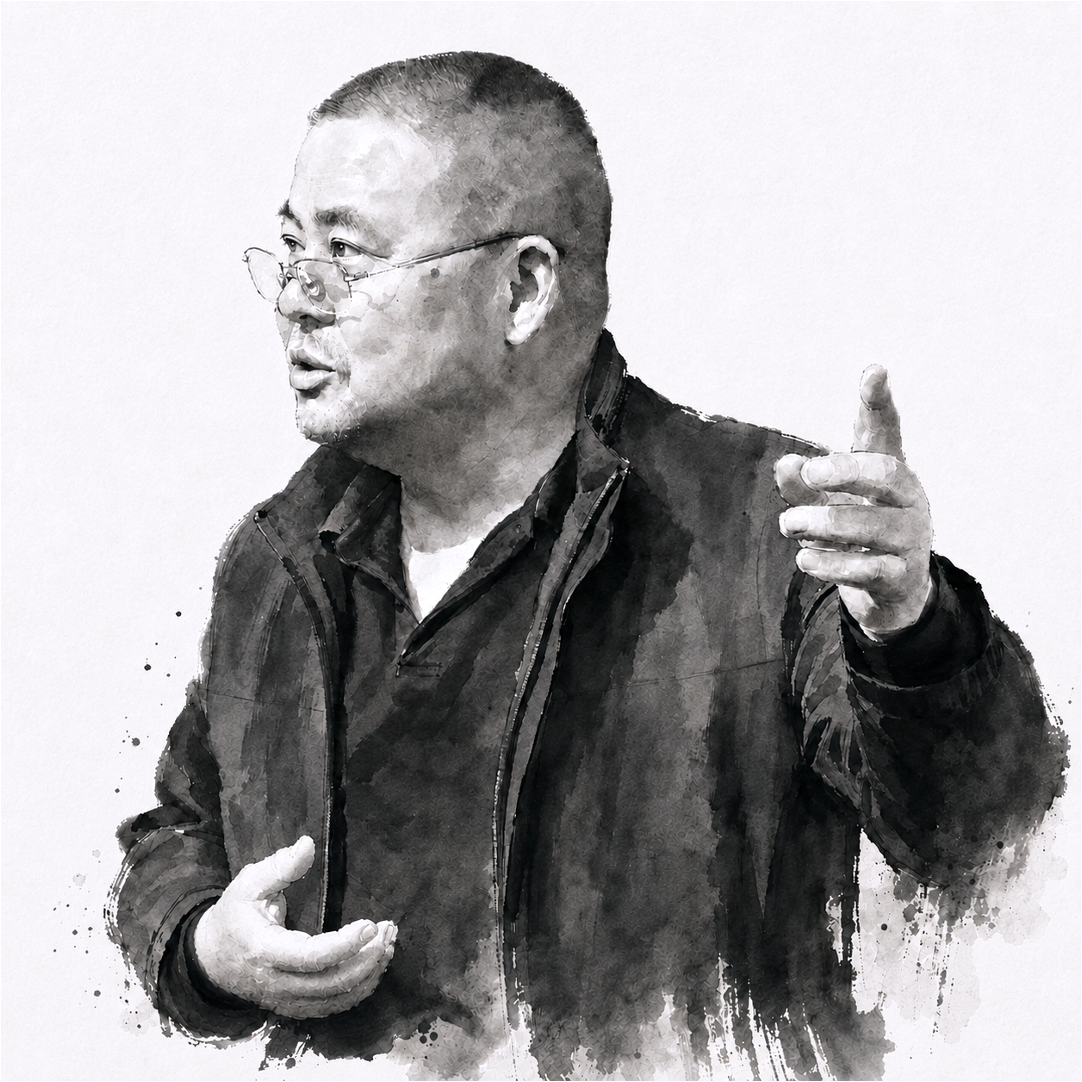
Zhang Jianping
HUIZHOU CONSERVATIONISTBeginning his career as a photographer, historian, and educator, Mr. Zhang is the leading heritage conservation expert in Anhui Province.
For the past 30 years, Mr. Zhang has been on the frontlines of persevering material culture in Huizhou, driving efforts ranging from policy advocacy and public education to technical advisory and aesthetic guidance.
Outside of his work in preserving and restoring built structures, Mr. Zhang is also an outspoken stalwart of intangible heritage, serving on the regional expert committees for Keemun black tea as well as Huizhou gastronomy.
His sessions will view places in Huizhou as a function of migration, memory, craft, family, and time—challenging participants to look beyond architectural beauty and consider the deeper choices involved in conservation: what should be protected, whose stories should be told, and how heritage can remain relevant to the future.
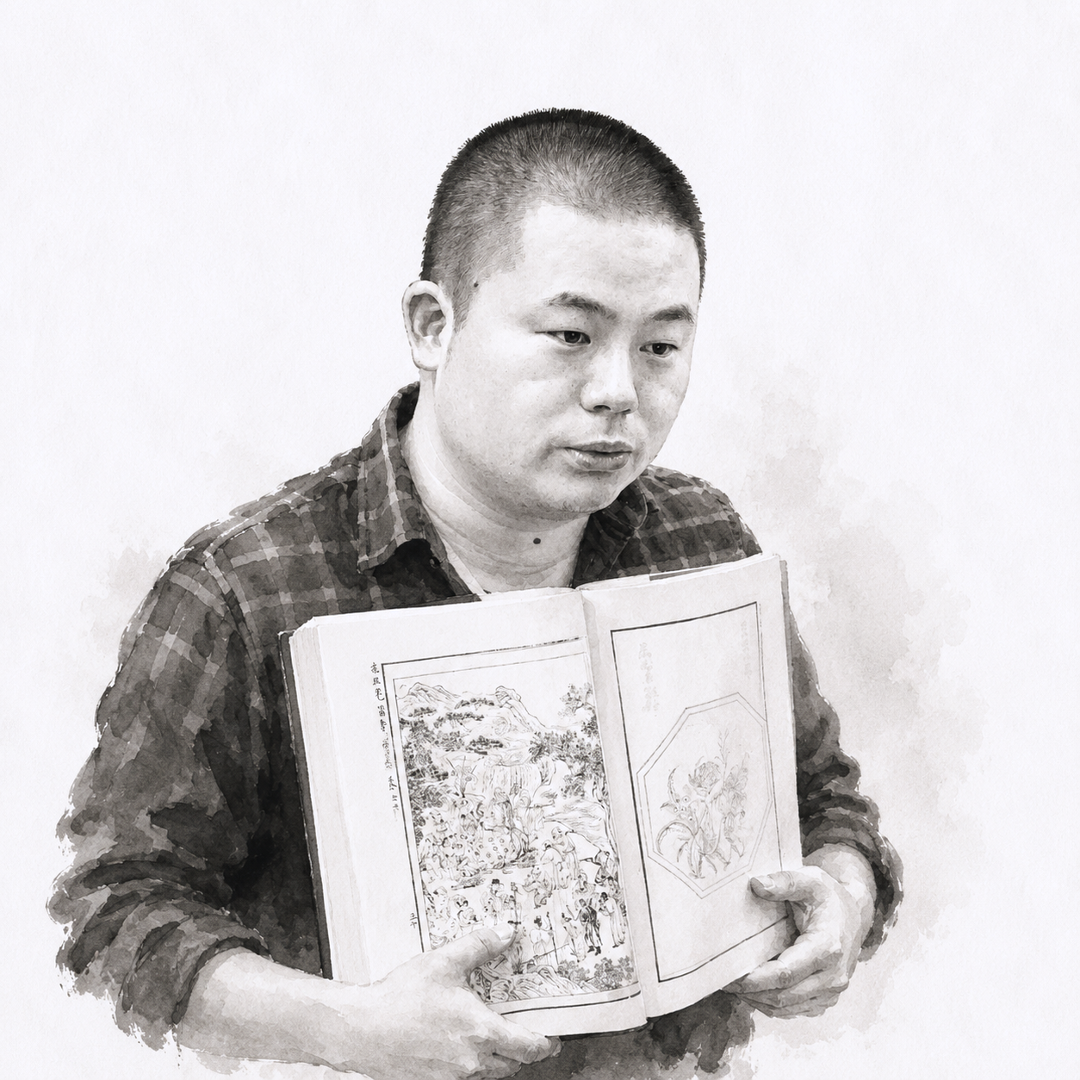
Zhang Junxi
HUIZHOU CONSERVATIONISTZhang Junxi is a writer, researcher, and long-term advocate for Huizhou’s cultural heritage, serving as a council member of the Huizhou Merchants Research Association and Secretary-General of Friends of Huizhou.
Junxi has recorded local stories, interviewed residents, and documented Huizhou’s historic buildings and ways of life since his youth. From 2009, he began systematically collecting historical documents and oral-history, building a deep personal archive of the Huizhou’s cultural memory.
His work has led him to lecture for Tsinghua University, East China Normal University, the Beijing Cultural Heritage Protection Center, CCTV, China National Geography, and the Shanghai Library.
He has also provided historical research and ancient-building consultation for museums, publications, and cultural institutions in China and abroad, including the Peabody Essex Museum.
Key Activities
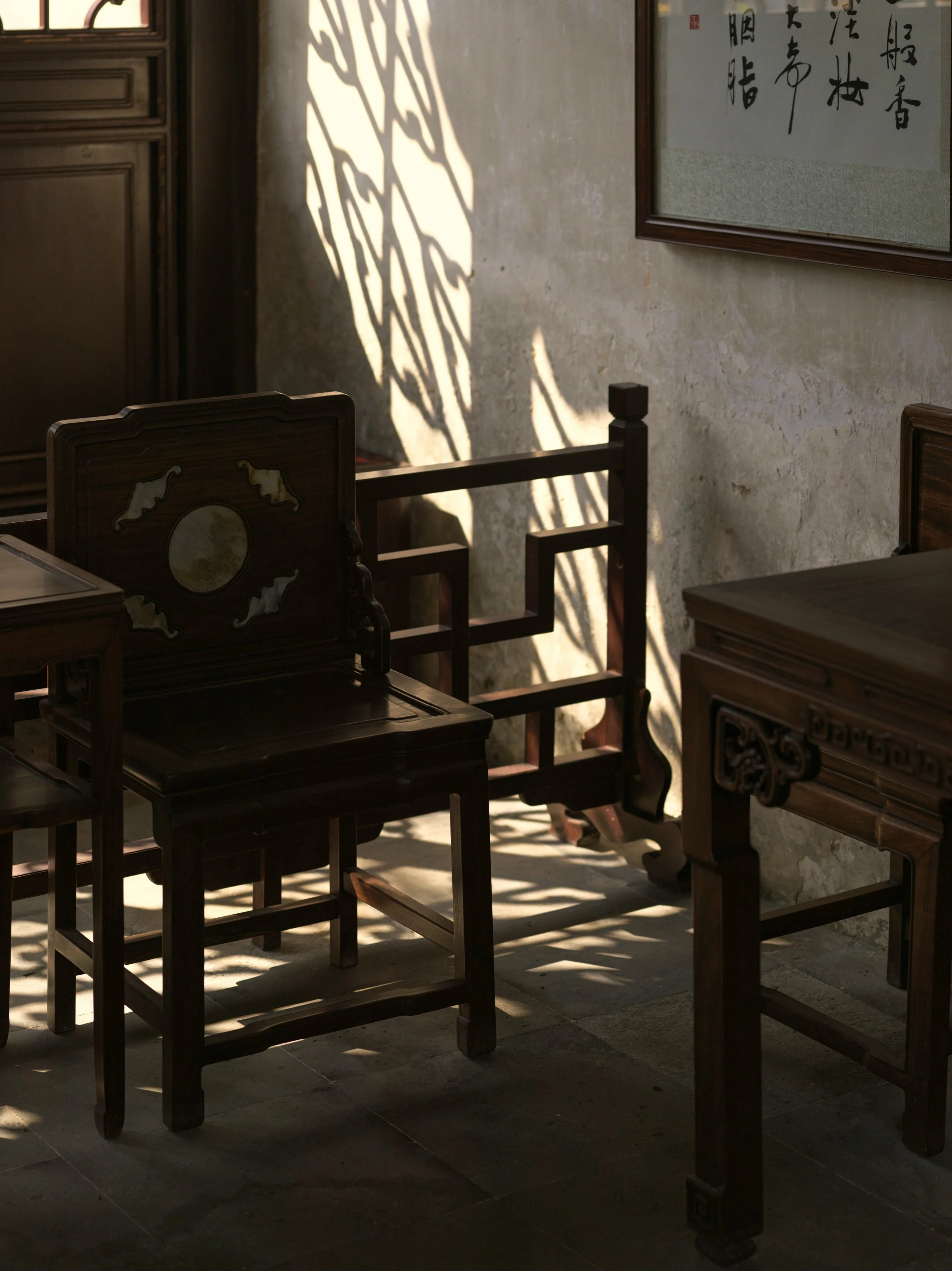
Material Culture Documentation
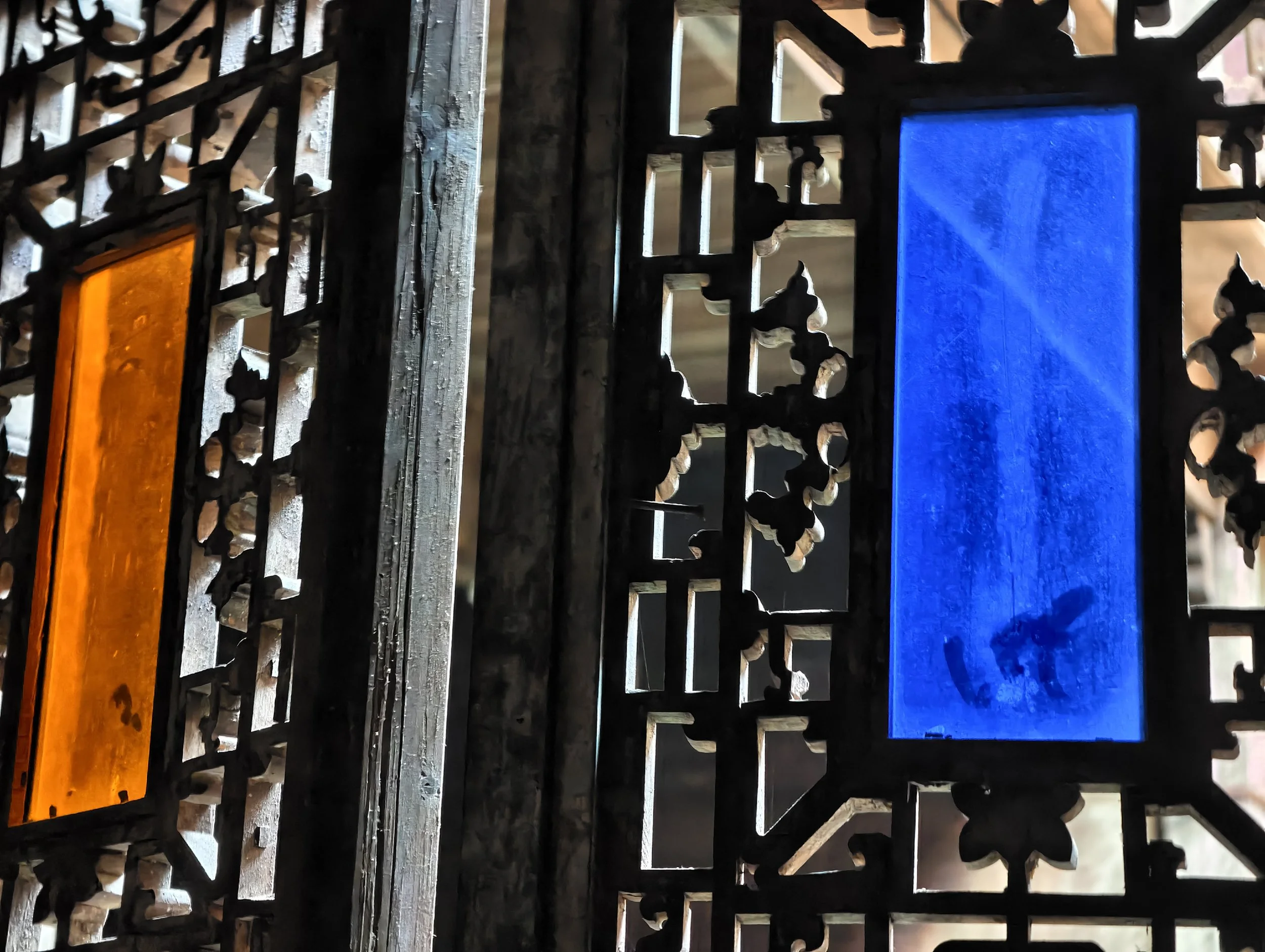
Participants document Huizhou village life through close observation of buildings, courtyards, decorative elements, tools, furnishings, and everyday objects.
Their notes, photos, sketches, and spatial records contribute to a fuller map of the village’s structures and material stories.
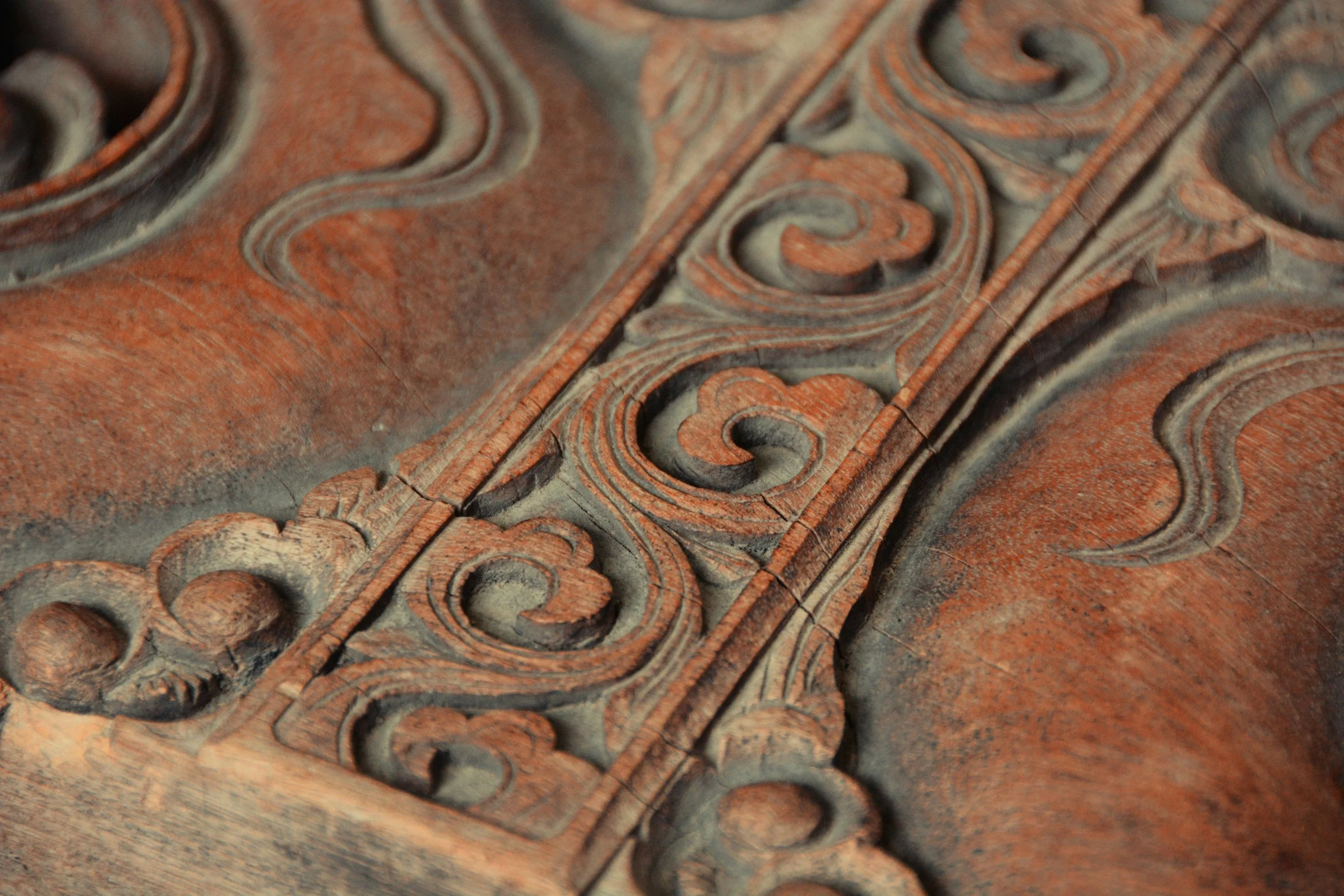
Artifact Analysis
& Appraisal
Travelers learn to look beyond surface beauty, assessing objects for age, use, craftsmanship, condition, and provenance.
Through guided discussion, each artifact becomes evidence of family memory, regional taste, trade, repair, and the layered histories embedded in village life.
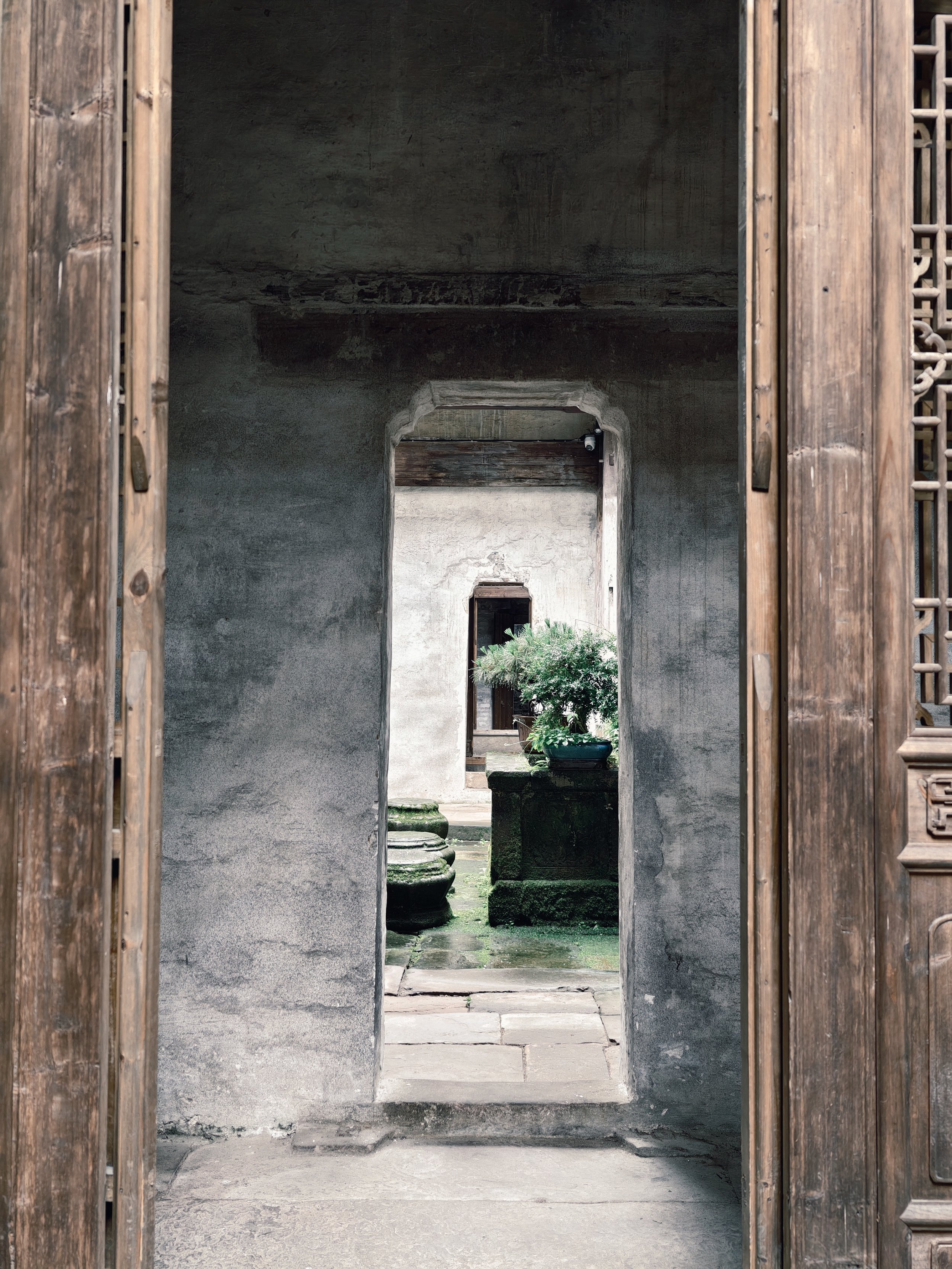
Living Heritage Archive
Select documentation (photos, videos, notes, sketches, interviews) from the excursion will be added to the village’s growing heritage archive.
These entries preserve details of place, craft, and memory for future research, storytelling, and conservation work.
Itinerary
-
Arrive in Shèxian, where the Inkstone team will meet guests at the railway station at scheduled times and transfer them to the hotel.
Wander a 1,000-year-old city most foreign travelers rarely reach — merchant lanes, the four-sided Xu Guo Archway, old clan houses.
The journey begins with a brief program orientation and welcome dinner.
ARRIVE · WELCOME
-
Two of China’s “Four Treasures of the Study” were born here.
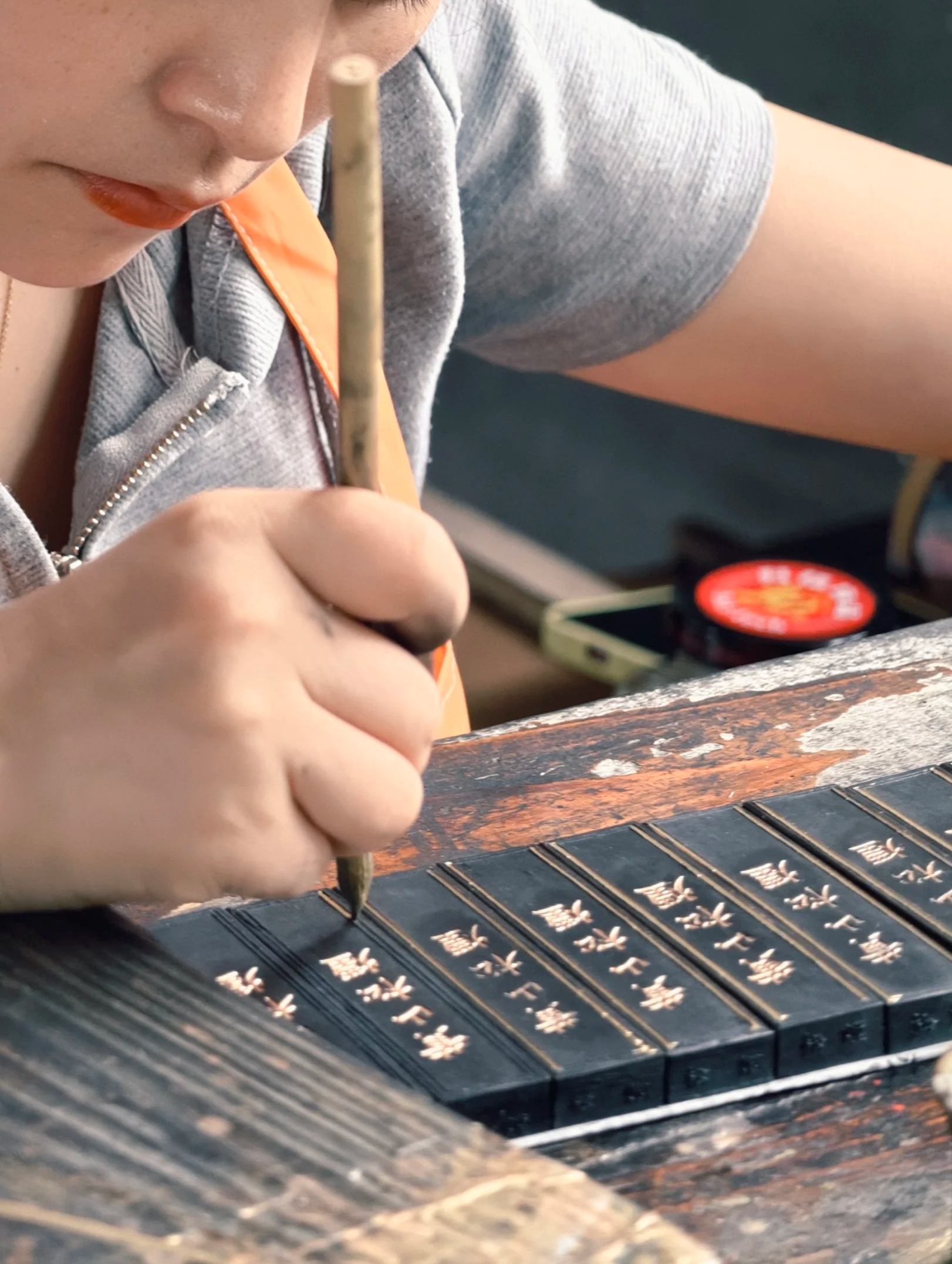
Visit a traditional ink workshop to see how fine Huizhou inksticks are made, then form and gild your own.
Under the guidance of a Shè master carver, make a custom inkstone from selection and shaping to grinding and fine carving.
MAKE
-
With experts as guides, begin learning how to read a Huizhou village through its buildings, objects, and stories.
In Huang Village, visit the birthplace of Yin Yu Tang before it crossed the Pacific and was rebuilt in America.
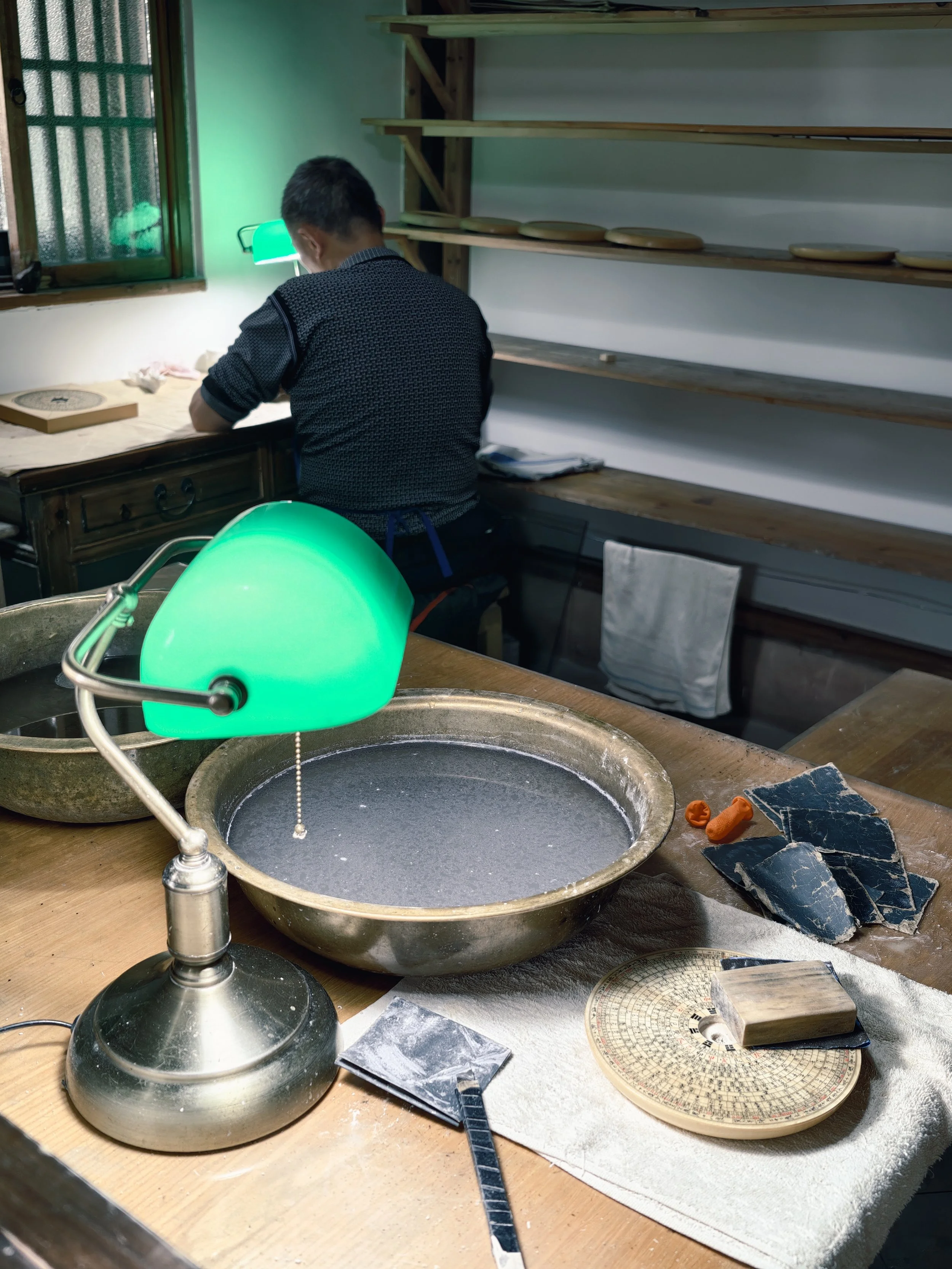
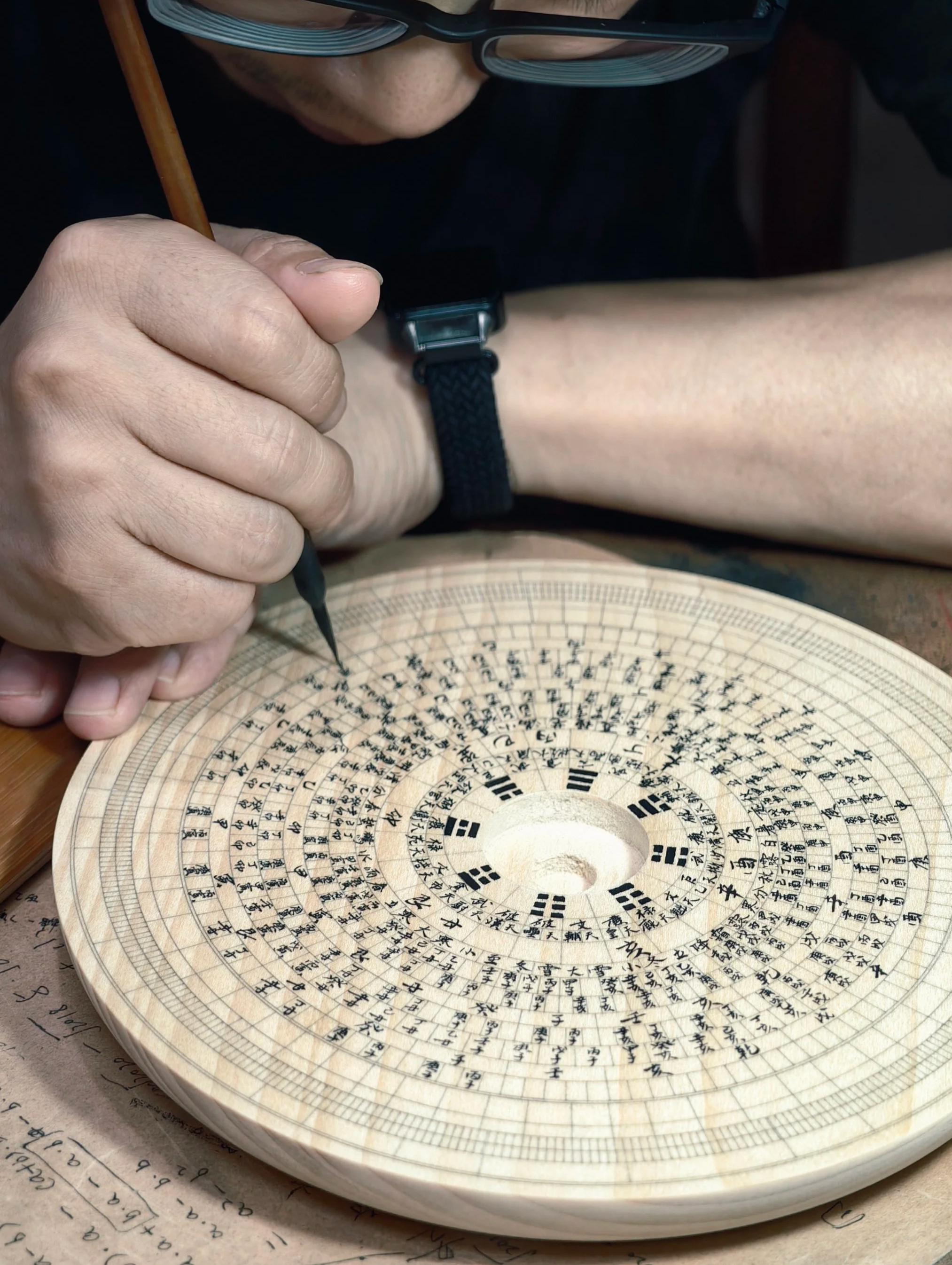
Learn about the role of fengshui in Huizhou architecture, and how tools like the Wan’an geomantic compass were used to shape the built landscape.
READ
-
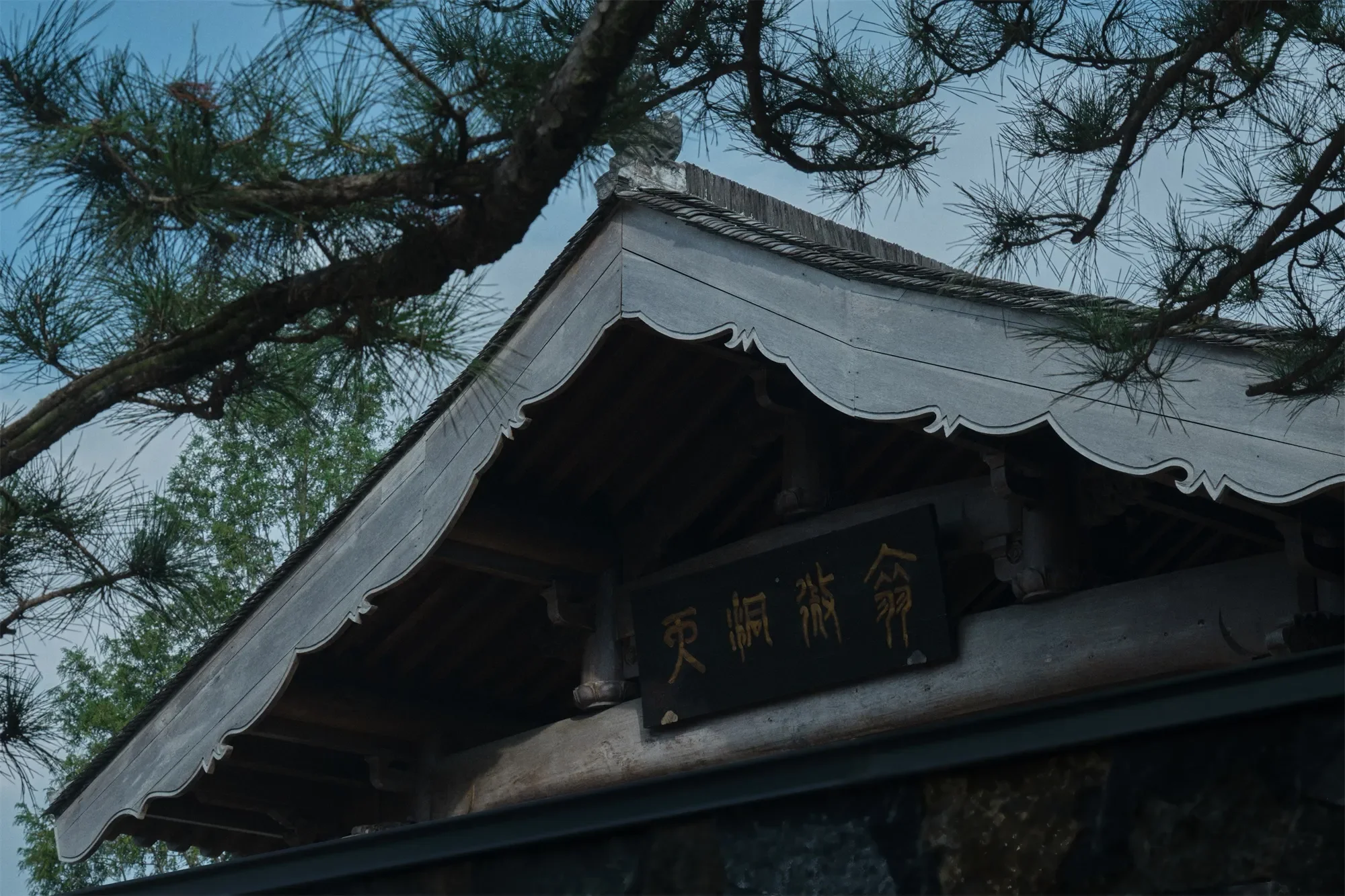
Spend the morning among the lanes and historic houses of Nanping, a village shaped by nearly a thousand years of history.
Later, gather seasonal produce, prepare Huizhou dishes in a rural kitchen, and learn traditional rice wine brewing.
Conservation-module guests arrive during the day. In the evening, the full group feasts together, and receives an expert introduction to Huizhou’s theatrical traditions.
TASTE · GATHER
-
Travel with experts through Qimen’s old town, visiting historic homes including the Hong Mansion and the Xie Residence.
Continue to an ancient opera stage for a Nuo dance performance and an immersive encounter with Huizhou’s ritual theater.
The day ends in Qikou with a village welcome dinner and an introduction to the heritage residence conservation project.
EXPLORE · PERFORM
-
Walk through Qikou Village with experts, tracing its history. At the restoration site, learn to observe, document, and survey a historic building through the lens of conservation.
Where site conditions permit, participate in activities relating to restoration under expert guidance.
Later, dine aboard bamboo rafts at sunset, followed by a tasting of local An tea and an optional guided night walk.
OBSERVE · DOCUMENT · CONSERVE
-
Hike on a centuries-old trail to Qiling Village before resuming additional workshop activities.
Depending on the restoration schedule, continue on-site activities or join experts in a discussion of how historic Huizhou buildings are assessed, mended, and sustained.
The journey concludes with a closing ceremony, a lantern-lit village feast, and a bonfire farewell under the stars.
WALK · REFLECT · CELEBRATE
-
Enjoy a slow final breakfast in Qikou Village before packing and bidding farewell to the village.
Transfer to Qimen South Railway Station at the scheduled time for onward travel.
DEPARTURE
Frequently Asked Questions
-
By high-speed rail:
2.5 hours from Shanghai
1.5 hours from Hangzhou
5 hours from Beijing
3 hours from Wuhan
4 hours from Shenzhen.
The nearest airport is Huangshan Tunxi International Airport, with direct flights from major Chinese cities. Group transfers from the arrival station/airport are included on Day 1 and Day 8.
-
Curious adults (18+) who value authenticity in their travel.
No background in Chinese history, architecture, or craft is required — just an interest in village life, living traditions, and conservation, and comfort with the small unpredictabilities of field-based travel.
-
Small by design: the journey runs with a minimum of 6 and a hard cap of 12 travelers.
This keeps workshop access intimate and lets us visit villages and restoration sites that simply can't host large groups.
-
No. English is the primary program language throughout, with bilingual support from your professional guide. Conversations with artisans, demonstrations, and site interpretation are all facilitated for you.
-
Possibly, where it's safe, useful, and appropriate. Restoration sites are active works in progress, so depending on conditions you may take part in observation, documentation, cleaning, or other carefully supervised tasks.
We don't promise a specific type or amount of manual work ahead of time; site supervisors have the final say.
-
It depends on your nationality.
China currently offers visa-free entry to citizens of a growing list of countries, plus a visa-free transit policy for many others — but policies change often, so check the current rules with your nearest Chinese embassy or consulate before booking flights.
Visa fees, where required, are not included in the program fee. Once you book, our team will point you to up-to-date entry requirements for your passport.
-
Moderate. Expect walking on uneven village lanes and stone steps, periods of standing during workshops and site visits, and a roughly 1.5-hour cross-village hike on an ancient stone path on Day 7. Tell us about any medical, dietary, or mobility needs early so we can plan safe arrangements.
-
Directly, in two ways.
A portion of every program fee goes into the restoration fund for the historic residence — keeping craftspeople employed and centuries-old timber beams standing.
And program revenue flows straight to the local artisans, farmers, cooks, and cultural practitioners who host you, paying fair fees for their time and expertise. Your presence is the funding mechanism.
-
The Full Trek (8 days / 7 nights, March 13–20, 2027) is USD 2,500. Two 5-day modules — Foundations (March 13–17) and Conservation (March 16–20) — are USD 1,500 each.
The fee covers all accommodation (Five-star hotels and equivalent when available and village retreats), all meals, private ground transportation and transfers, bilingual guides and expert lecturers, every workshop and craft session including materials and take-home pieces, all site entrances, private performances, basic travel accident insurance, and a contribution to the historical residence restoration fund.
International and domestic flights, visa fees, and personal expenses are not included. Twin-share rooms are standard; single supplements are available for upgrade.
-
Request through Inkstone - Huizhou Application. After acceptance you'll receive the agreement, invoice, and payment instructions.
A 25% deposit ($375 per module / $525 Full Trek) is due within five calendar days of receiving your personal invoice; the remaining 75% balance is due within five days of the group-formation notice.
The group forms at 8 confirmed travelers; the final formation notice is February 28, 2027, 17:00 China time.
For those joining after 28 February, 100% of the fees are due.
-
Cancellations must be sent in writing to hello@inkstonechina.com (timing measured in China time); refunds follow the schedule in your agreement, less any non-recoverable supplier costs.
If the 6-person minimum isn't reached by the formation deadline, we may cancel with a refund or propose revised terms — revisions always require your acceptance.