
STEPPING STONES - QIMEN, ANHUI
Keemun Teamaking
3 DAYS 2 NIGHTS | USD 900
Tea and Rural Village Retreat
SEASONAL · 3D·2N
祁门县 QIMEN COUNTY, ANHUI
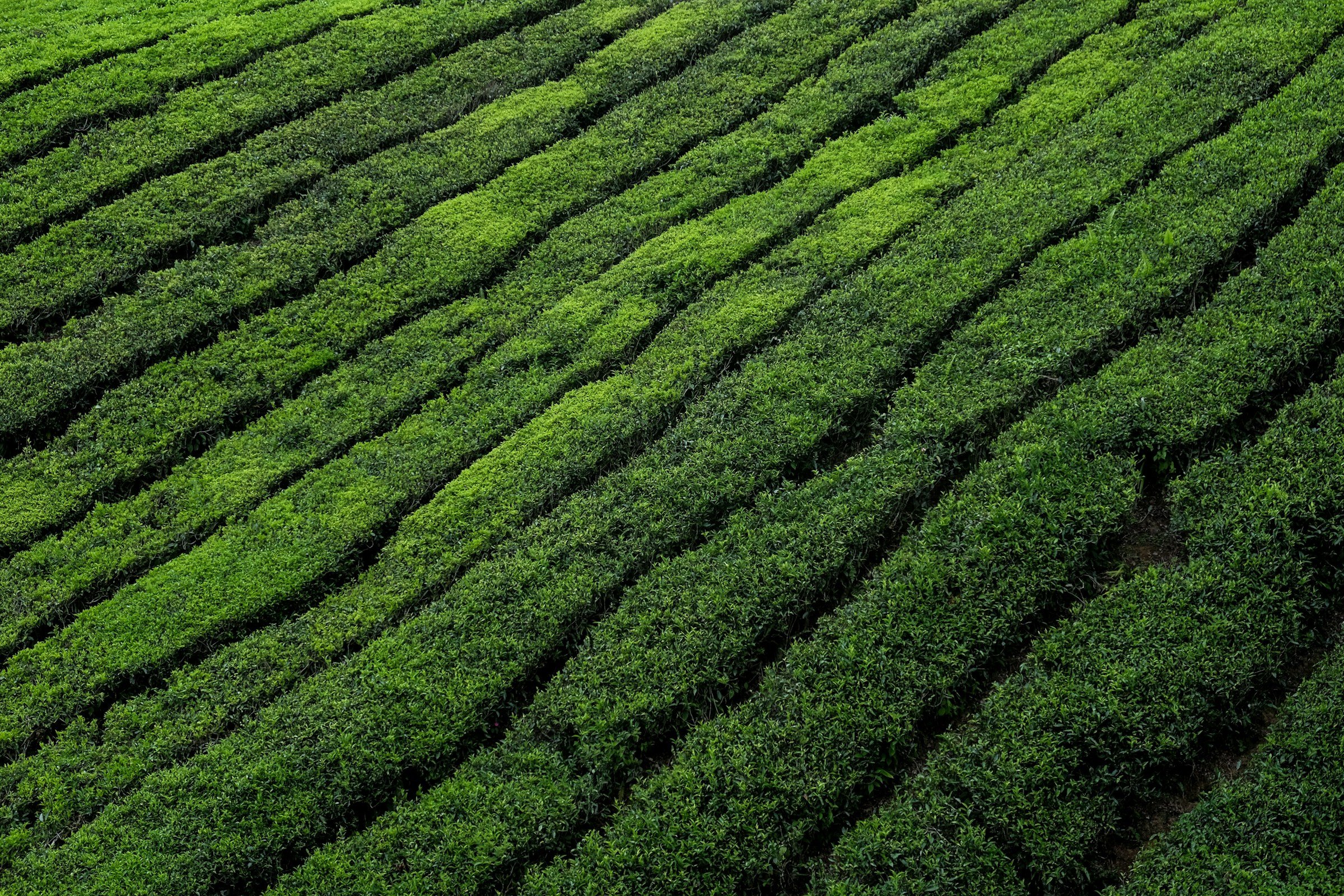
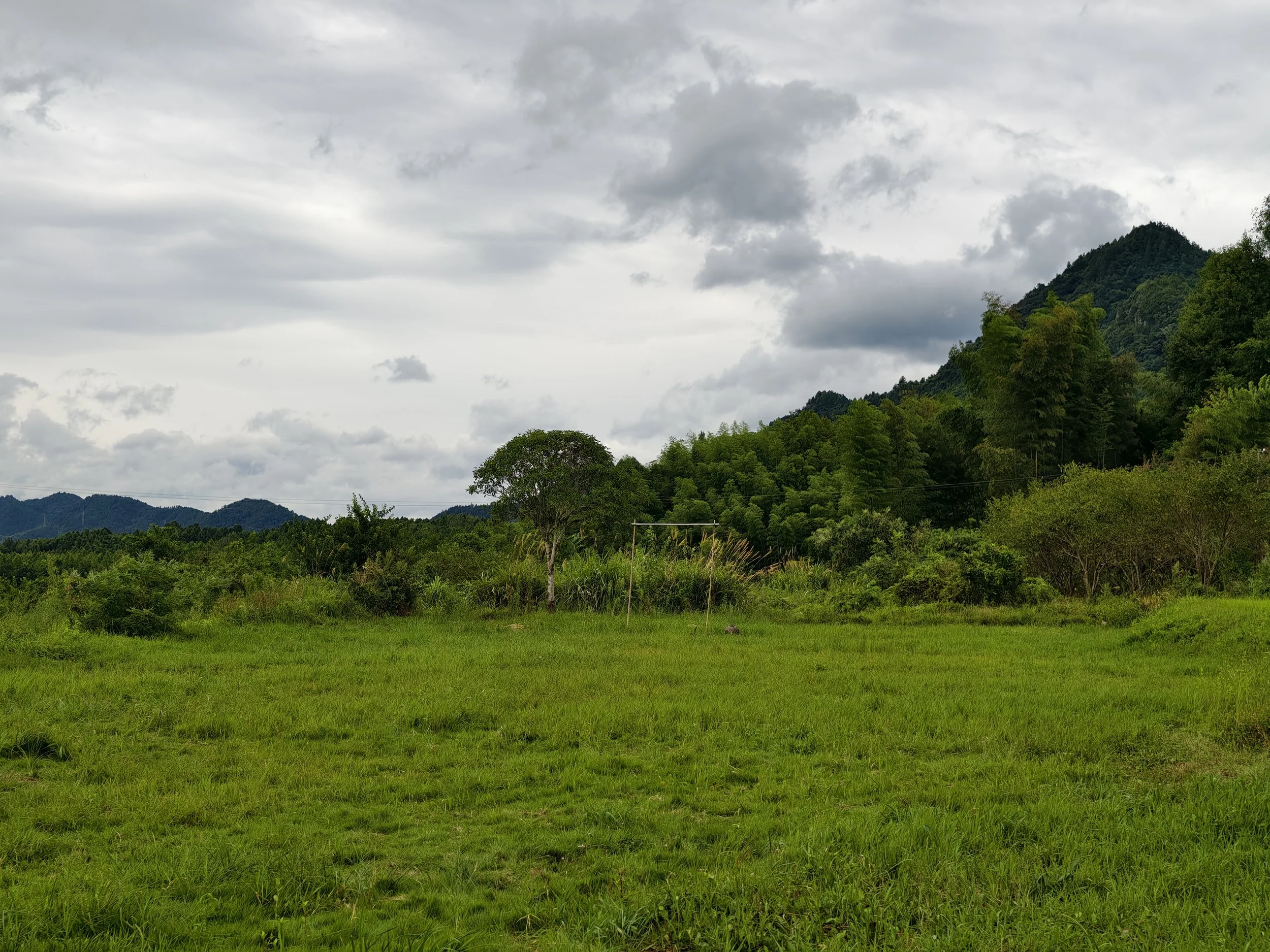
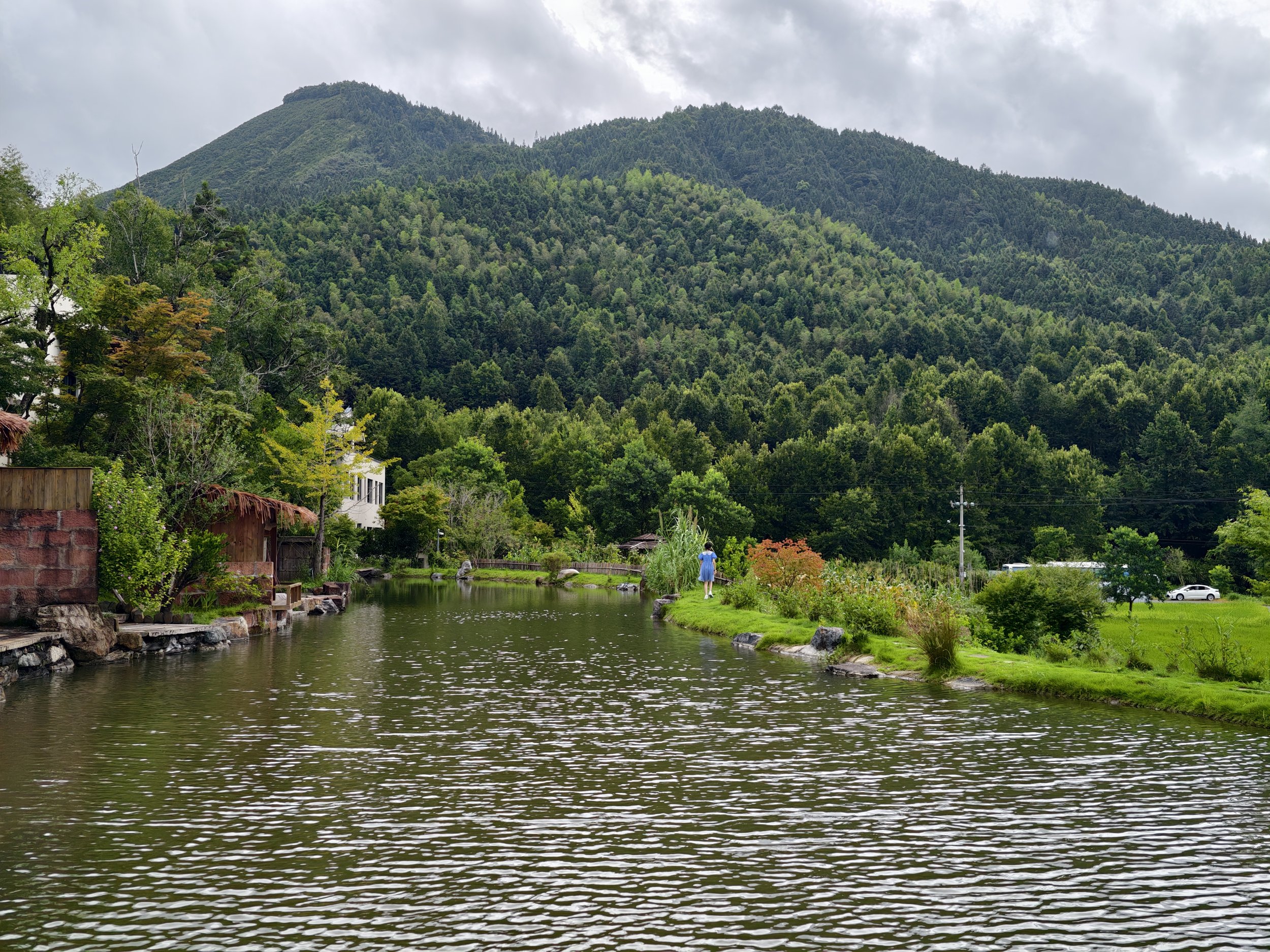
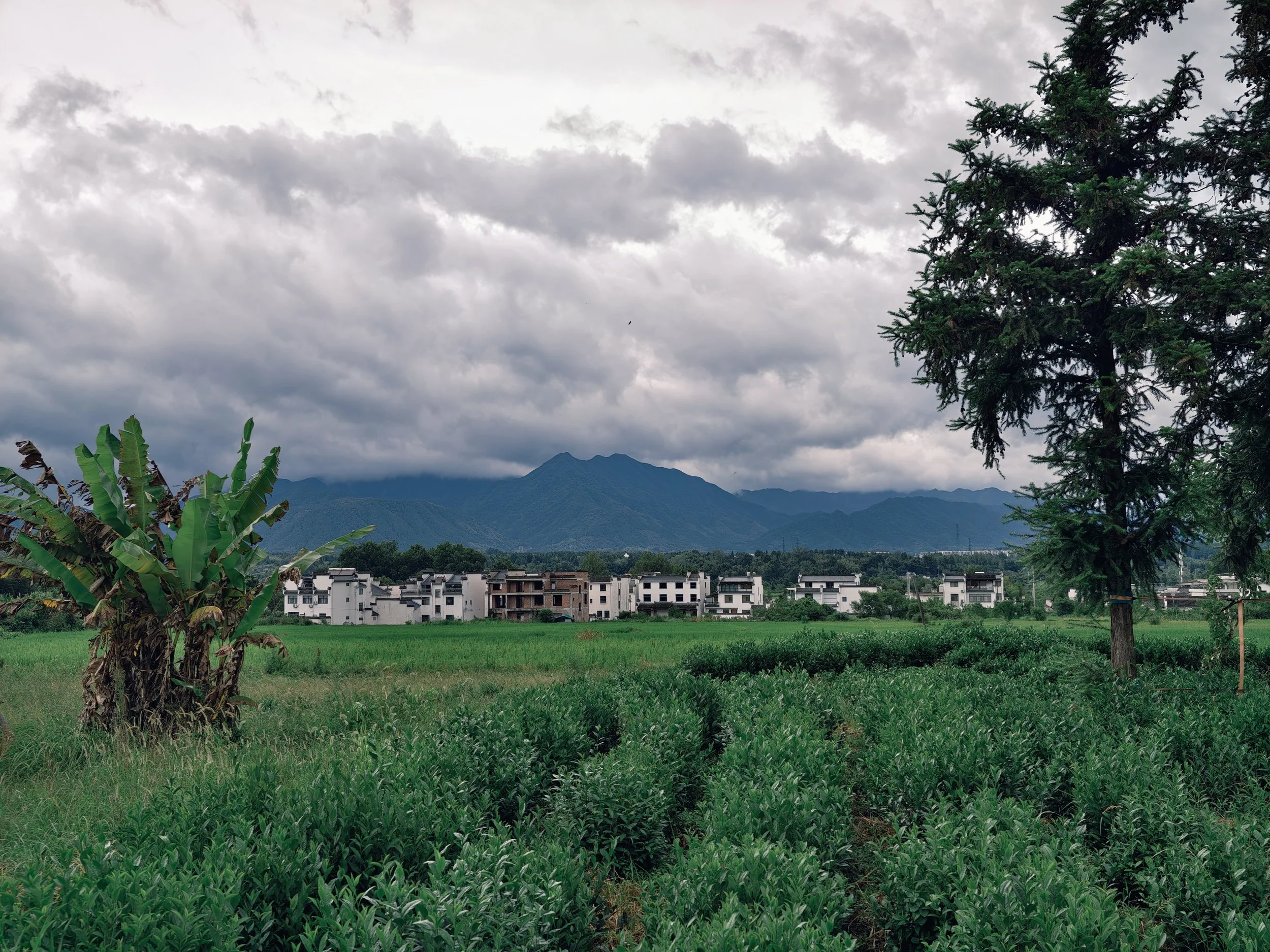
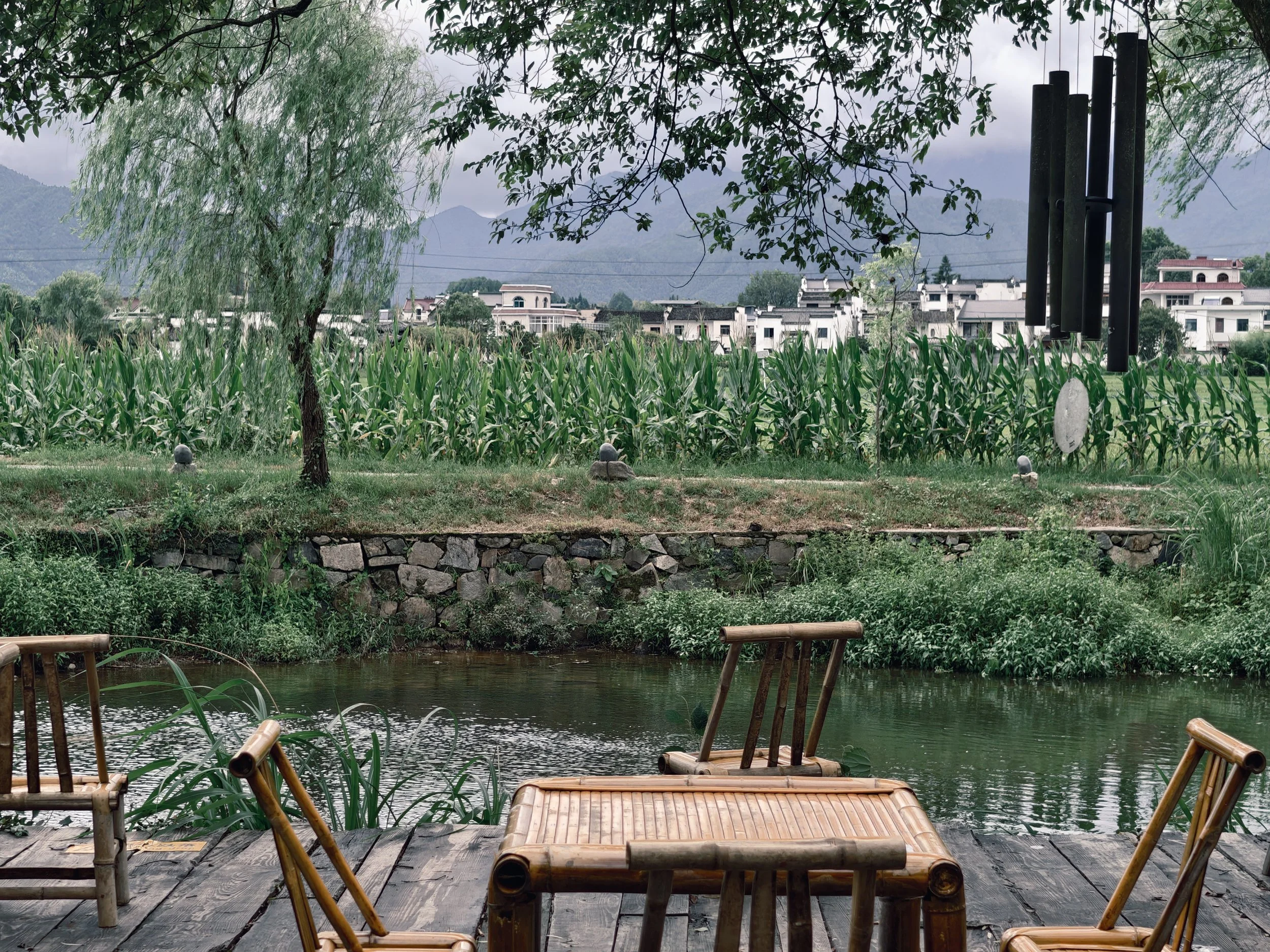
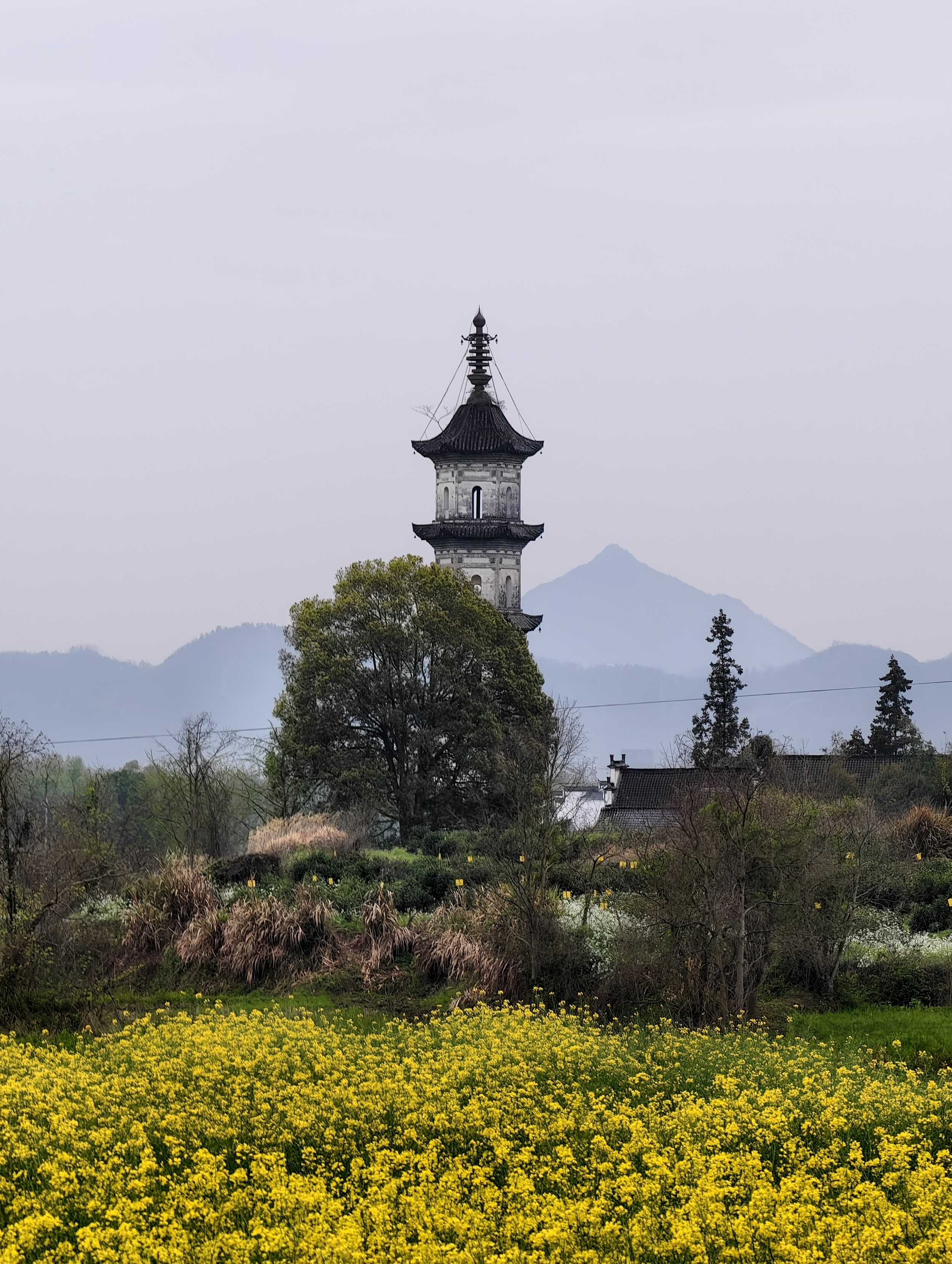
Across the misted hills of Qimen County, tea gardens grow among forests, streams, village fields, and shifting mountain weather.
Yet the fragrance for which “Keemun” became renowned is not the work of landscape alone. It is coaxed from the leaf through a sequence of exacting processes—work so patient and precise that the finished tea became known as Keemun Gongfu.
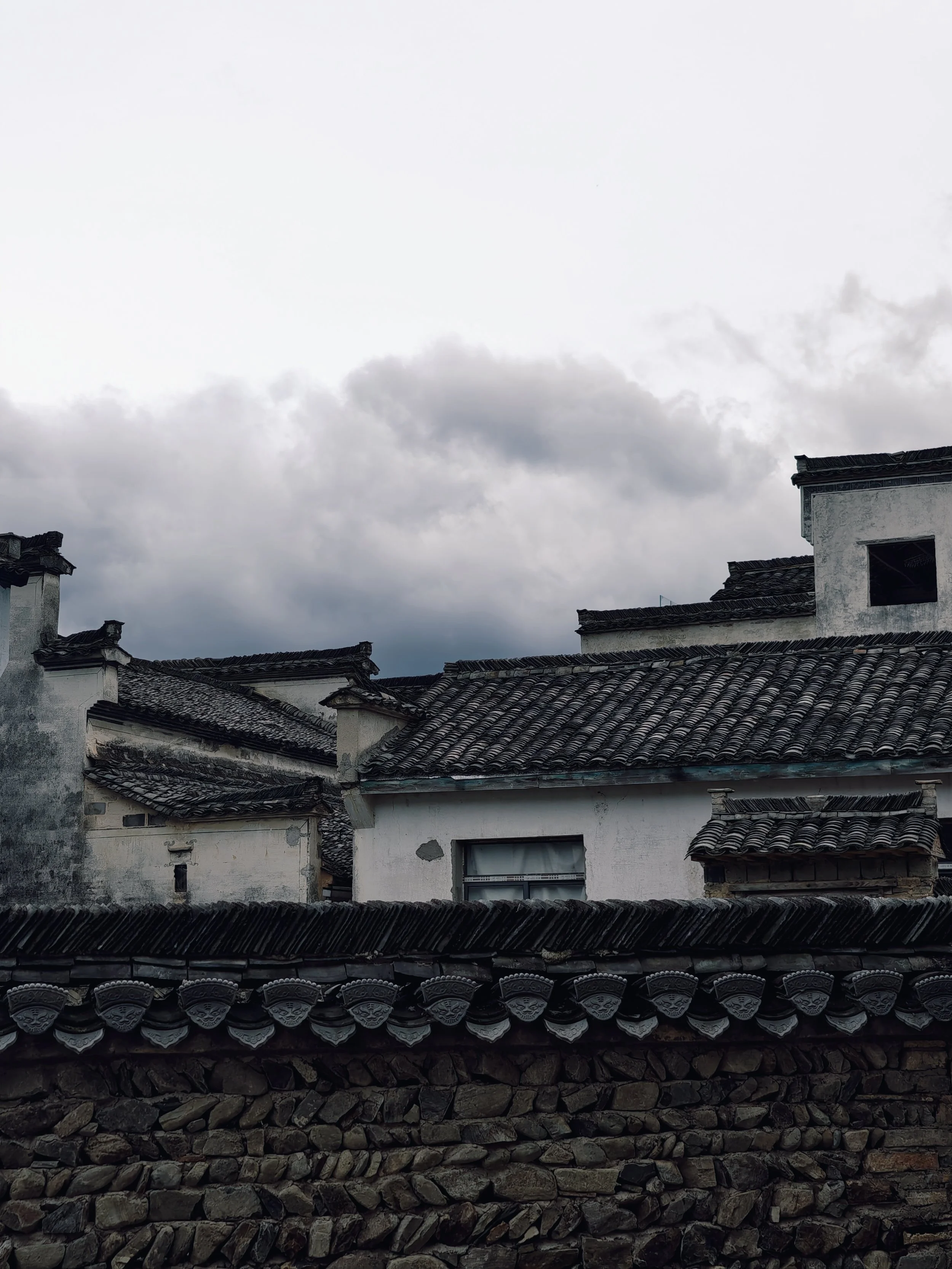
Created in 1876, Keemun tea traveled far beyond Huizhou while remaining closely tied to the growers, craftspeople, and mountain ecology of its place of origin. Today, its traditional making techniques are recognized as part of China’s national intangible cultural heritage and UNESCO’s “Traditional tea processing techniques and associated social practices in China.”
Over three days in Qimen, follow tea from mountainside to cup. Walk through gardens with local growers; work with fresh leaves when the season permits; learn to roll, oxidize, dry, sort, and blend under the guidance of experienced tea makers; and train your senses to recognize the floral, fruit, honey, and sugar-like notes collectively known as “Keemun fragrance.”
Follow forest streams through the Guniujiang landscape and consider how water, soil, shade, biodiversity, labor, and inherited knowledge meet within a single cup.
You will leave carrying a small batch of tea you helped make or refine—and a deeper understanding of tea not simply as a drink, but as a living relationship between people and place.
The historical framing is supported by China’s official intangible-cultural-heritage record forKeemun black tea production techniquesand UNESCO’s listing forTraditional tea processing techniques and associated social practices in China.
PROGRAM OVERVIEW From mountain to cup, follow a leaf from Qimen’s gardens to production, and taste the landscape that gives “Keemun black” its essence.
Minimum age: 12+ with guardian present
Language: English, led by bilingual guide
Group size: 4-8 people, 1:4 staff to guest ratio
Activity level: Moderate - no intensive activity
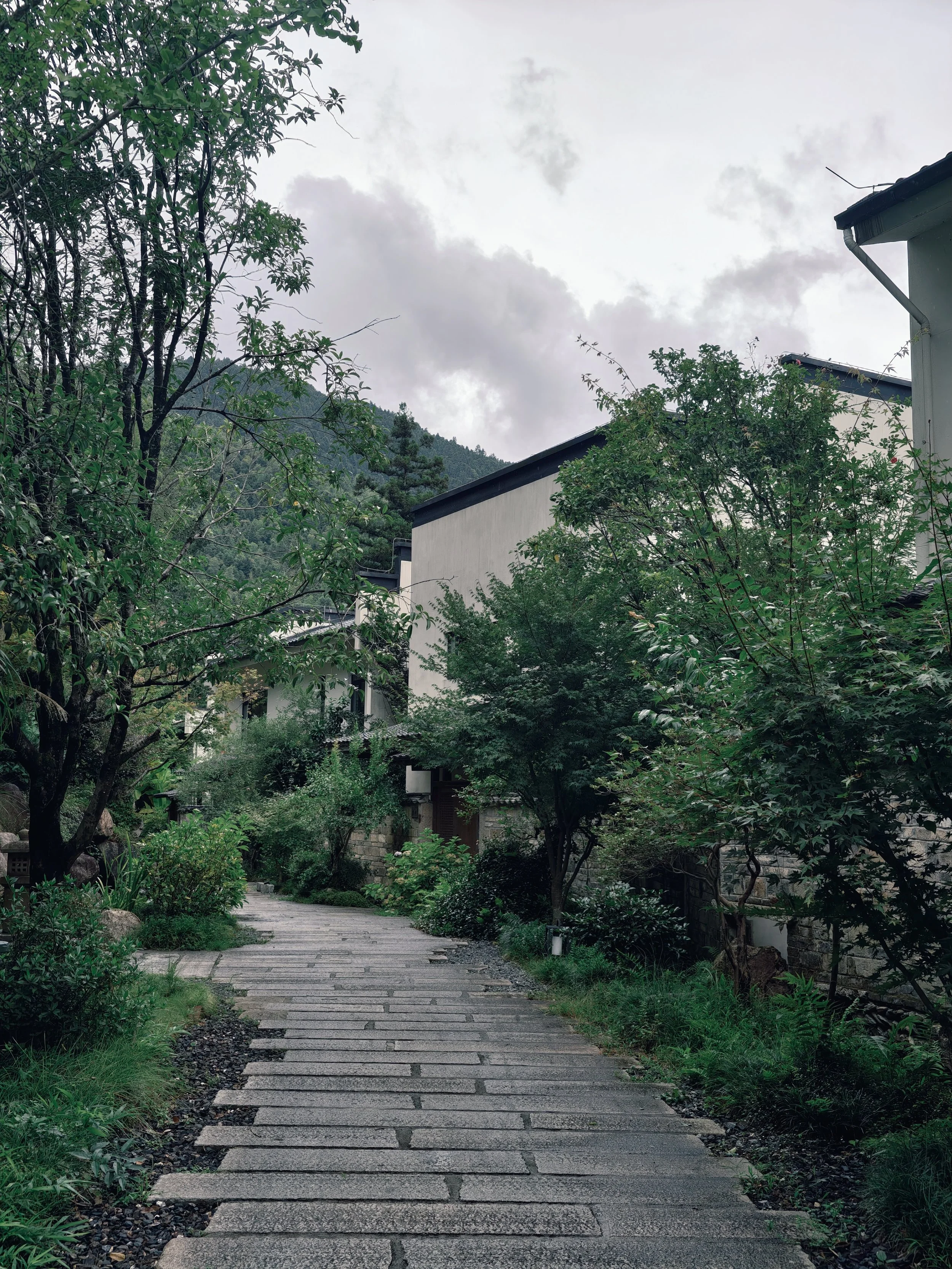
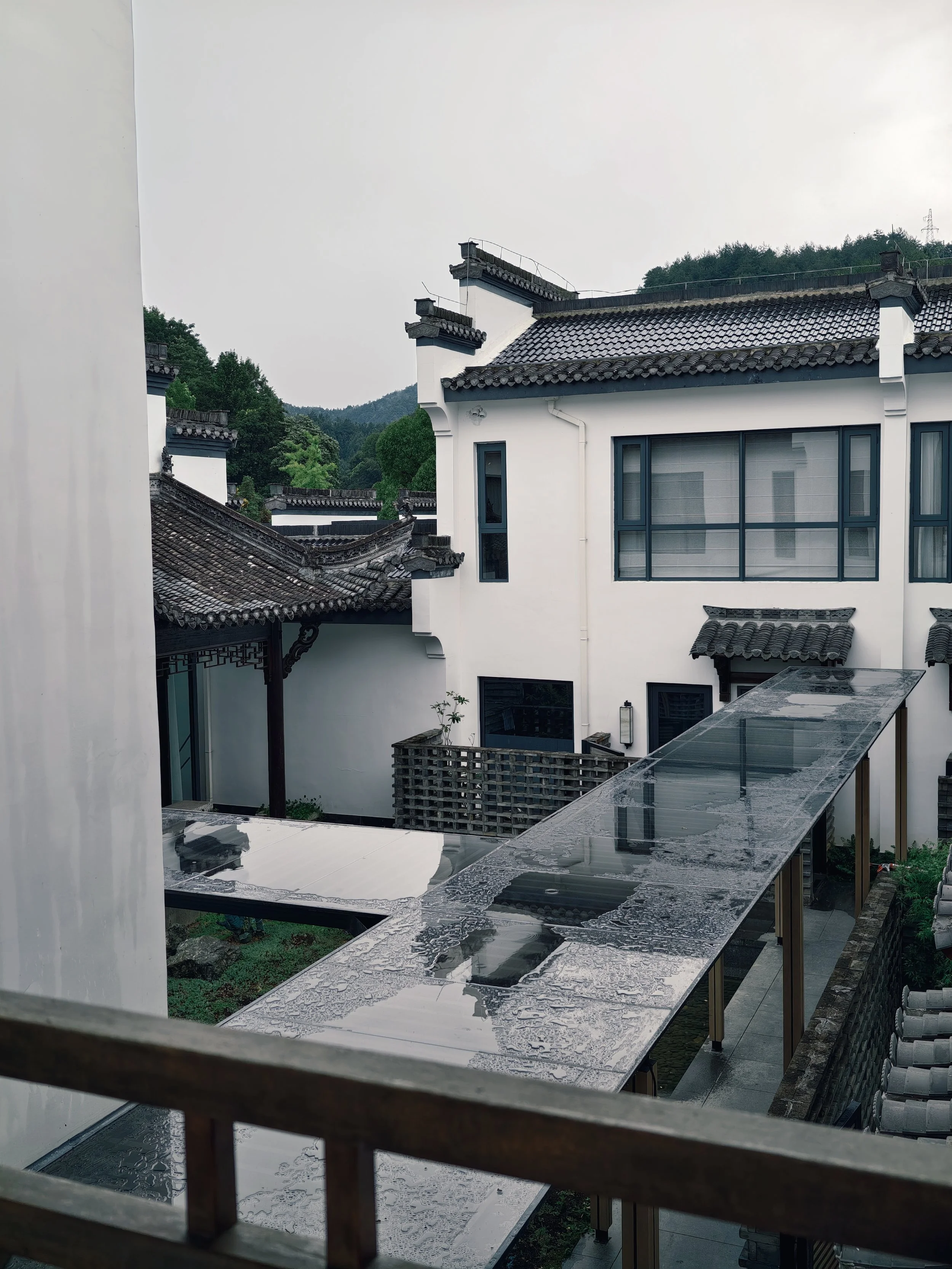
Accommodation: Boutique Luxury Hotel
Twin-share standard room
Single supplements available
DATES & PRICING3 Days 2 Nights - USD 900 per person
+USD 300 for 4th day extension
Public Departures:
Available every Friday–Sunday.
Trips confirmed once four guests have booked.
Private Departures (inquire for more info):
On request; flexible dates with optional add-ons.
RSVP at least one week in advance.
Included:
Transport & accommodation during trek
All meals (3 per day)
All fees: attractions, activities, supplies
Travel accident insurance
Excluded:
Luxury souvenirs/memorabilia/art
Transportation to/from Qimen, Anhui
Flights and airport transfer fees
Visa, passport, immigration fees
Personal expenses

Itinerary
-
Arrive in Qimen County, where the Inkstone team will meet guests at Qimen South Railway Station at scheduled times and transfer them to the hotel.
Gather for a welcome lunch and introductory tasting: What is Keemun, and how did tea from a mountainous corner of Huizhou become known around the world?
Visit the Keemun Black Tea Museum. Follow the development of Keemun from its creation in 1876 through the growth of the tea trade, changing production systems, and its continuing international reputation.
Compare traditional Keemun Gongfu with newer regional styles, learning to identify the floral, fruit, honey, and sugar-like notes collectively described as “Keemun fragrance.”
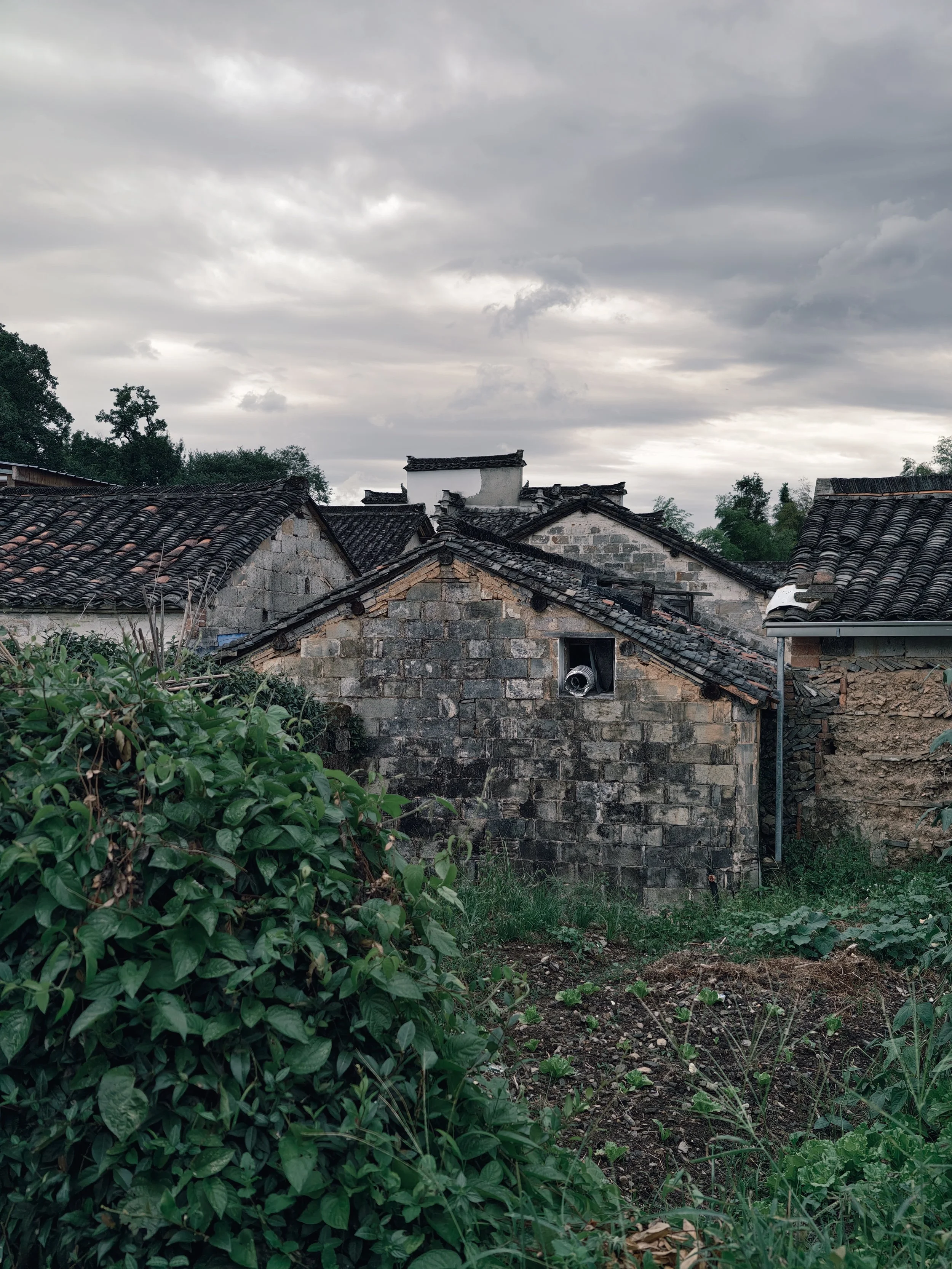
Continue to Huansha Village in Likou Town. Walk through tea gardens, streams, forest edges, and village farmland with a local grower, observing how slope, soil, water, shade, and season affect the leaf.
During the harvest season, pick a small quantity of fresh leaves and spread them to wither overnight.
Conclude with a quiet sunset tea session overlooking the surrounding landscape.
-
Begin in the tea garden with a grower, learning how the plants are pruned, renewed, protected, and harvested through the seasons.
Enter a traditional workshop for an introduction to the two major stages of Keemun production: initial processing and refinement.
Under the guidance of a tea maker, follow the leaves through withering, rolling, oxidation, and drying. During the harvest season, work with the leaves gathered from the previous afternoon.
Observe how fragrance and color change during oxidation, using touch, smell, and appearance rather than fixed time alone to judge the leaves.
After lunch, explore the exacting refinement processes behind Keemun Gongfu. Conduct a guided comparative tasting across different gardens, harvest periods, grades, and processing styles.
*Time & harvest permitting, blend and finish a small batch of Keemun to take home, recording its origin, processing decisions, and tasting profile.
Share dinner with locals and finish the evening with relaxing tea.
-
Travel toward the Qimen side of the Guniujiang landscape, part of the 14,817-hectare Anhui Guniujiang National Nature Reserve.
Walk a visitor-accessible trail with a naturalist or local conservation guide. Read the surrounding forest through its water systems, plant communities, insects, birds, and changing elevations.
Explore the relationship between protected forest, tea-growing communities, water quality, microclimate, and the broader ecological conditions supporting Keemun production.
Pause beside a stream or forest clearing for a guided outdoor tasting. Compare the same tea brewed with different water and temperatures, noticing how preparation reveals or obscures its fragrance.
Package the tea made or refined during the program and reflect on the complete journey from mountainside to cup.
Transfer to Qimen South Railway Station for early-evening departures.
-
Note: Day 4 is an optional add-on
Visit the Qimen Institute of Snakebite—安徽省祁门县蛇伤研究所.Learn how Qimen’s warm, forested environment supports numerous snake species and how snakebite historically affected tea growers, farmers, and others working in the mountains.
Trace the institute’s development from local medicinal knowledge to a research and treatment center integrating snakebite medicine, clinical care, venom research, and pharmaceutical development.
Explore Qimen snakebite therapy, a tradition with more than two centuries of recorded transmission and recognition as part of China’s national intangible cultural heritage.
View local species, preserved specimens, and research materials under staff supervision. Live snakes remain behind glass; participants do not handle animals.
Discuss venom, antivenom, traditional formulations, modern toxicology, snakebite prevention, and the practical challenges of delivering treatment in rural communities.
Conclude with lunch before transferring to Qimen South Railway Station.