
our philosophy
journey beyond travel
We believe that some of the world's most incredible stories are found in places that few people get a chance to visit.
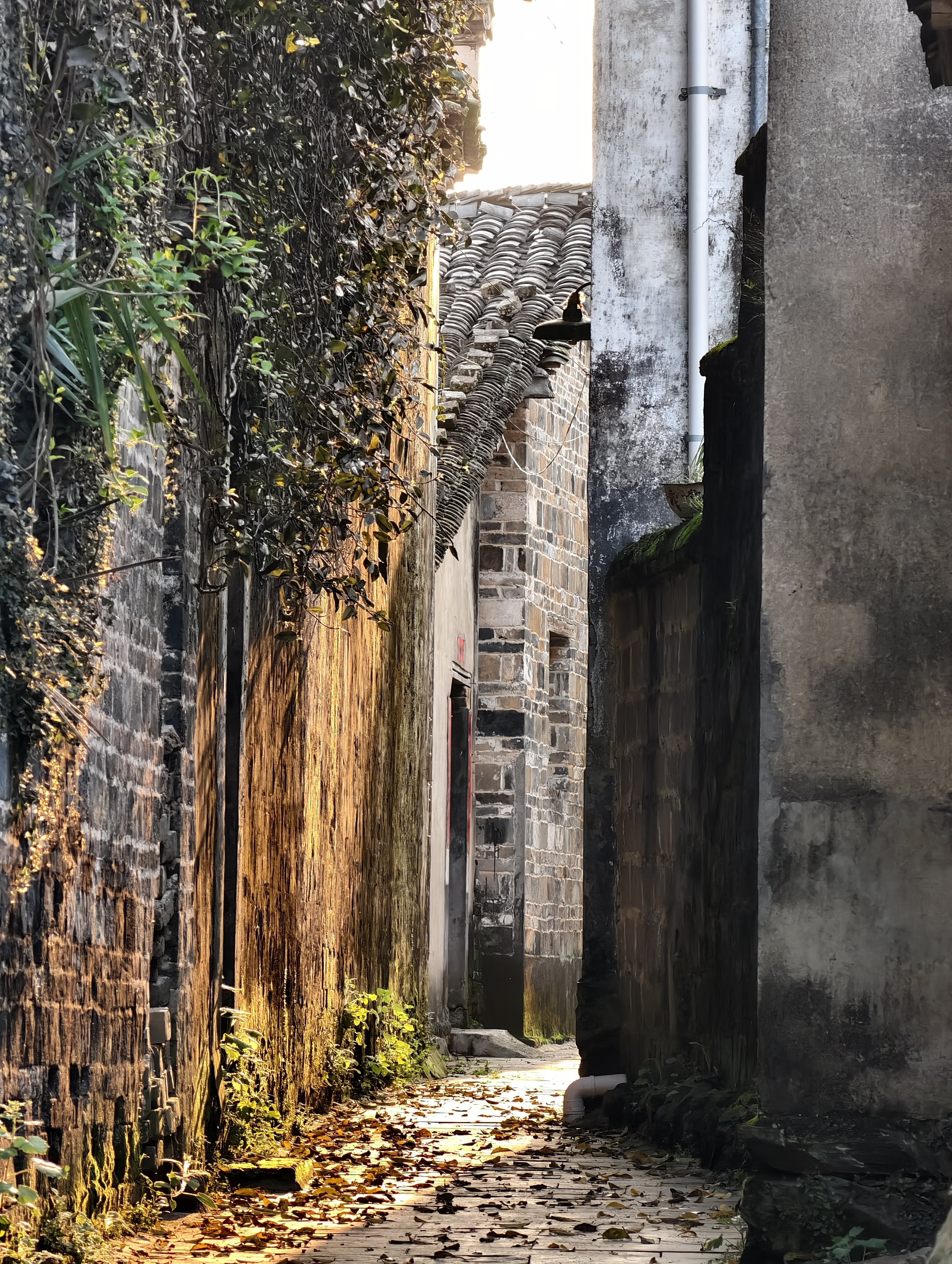
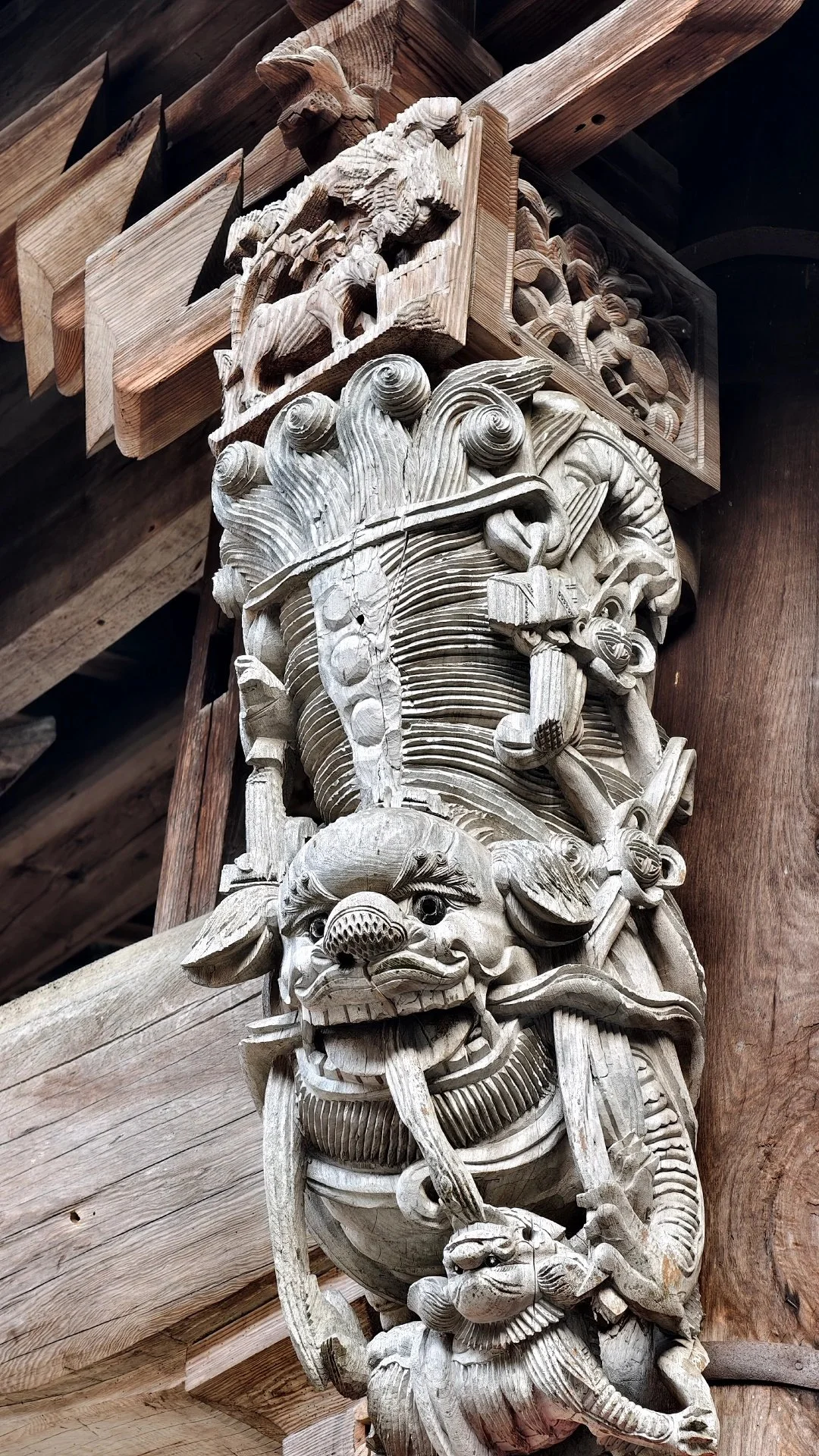
In historic villages, ancestral homes, workshops, landscapes, and communities, generations of knowledge have been preserved through architecture, craft, ritual, and memory.
However, many of these places now stand at a crossroads. Economic change, urbanization, demographic shifts, and the passage of time threaten not only physical structures, but also the cultural knowledge and ways of life they embody.
inkstone exists to help bridge that gap.
Our programs aim to help curious travelers engage deeply with living heritage—not as spectators, but as participants in its continued preservation and evolution.
heritage is not a museum
The most meaningful forms of heritage are not encased in glass.
They are practiced, adapted, and passed from one generation to the next.
A restored courtyard is only meaningful if it remains connected to the community around it.
A traditional craft survives not as a performance, but because it continues to be practiced.
A historic village endures when people still find reasons to build their life there.
Heritage is a living system—one that connects people, places, and identity across generations.
Our journeys are designed to sustain these connections.

inkstone journeys not only celebrate living heritage, but also provide access to:
-
Many of the places and people shaping China’s living heritage remain inaccessible to the average traveler.
We believe actionable understanding requires proximity.
Through partnerships with preservation organizations, local communities, scholars, craftspeople, and cultural custodians, we provide exclusive access to sites, stories, and conversations that cannot be found on conventional guidebooks or digital databases.
Our goal is not simply to show travelers something unique. It is to help them understand why it matters.
-
Exploration carries responsibility.
inkstone is built on the belief that travel can become a disproportionately positive force for stewardship.
By directing a portion of all revenue toward cultural preservation initiatives, restoration projects, educational programs, and community partnerships, our treks help support the long-term protection of the heritage systems they explore.
We hope that travelers become participants in a larger story—one that extends beyond the duration of the trip itself.
-
Observation is useful, but we prefer engagement: walking historic routes, speaking with locals, documenting fading traditions, participating in workshops, exploring restoration sites, and examining the complex relationship between preservation and contemporary life.
Many of the resources and people shaping cultural preservation remain inaccessible to the average traveler. Our approach draws on fieldwork, experiential education, and place-based learning. We seek to cultivate critical curiosity, cultural humility, and a deeper understanding of the forces that shape societies.
-
At its best, cultural exchange deepens our understanding of others and ourselves.
Our participants arrive seeking to better understand a place. They will leave with personal reflections on questions that heritage protection raises: What is worth preserving? Who decides? What do we inherit from the past, and what responsibilities do we carry into the future?
These questions transcend geography.
By connecting people across cultures through shared experiences, stories, and places, we hope to contribute—however possible—to a more thoughtful, connected, and culturally literate world.
What is The Traveler?
The geometry of inkstone is inspired by the Yijing (Classic of Changes).
Hexagram #56 is Lǚ (旅), The Traveler formed as follows:
LI ☲ Fire ······ GEN ☶ Mountain
旅 concerns someone passing through a place that is not their own—and who must therefore traverse with attentiveness, humility, restraint, and respect for local conditions.
This reflects our intent behind each decision and journey.
We believe that meaningful travel begins with entering a place as a thoughtful guest: listening before interpreting, learning from those who sustain its traditions, and resisting the impulse to treat culture and landscape as something merely to be consumed.
In this hexagram, the mountain offers place, heritage, and endurance, while the fire evokes illumination and discovery. The mountain remains; the light moves across it. It is a gentle reminder that the traveler’s presence is temporary, while the life of a place continues—something we are privileged to encounter and responsible for safeguarding.