
STEPPING STONES - BEIJING
Hidden Hutong
SINGLE DAY (9 HR) | USD 200
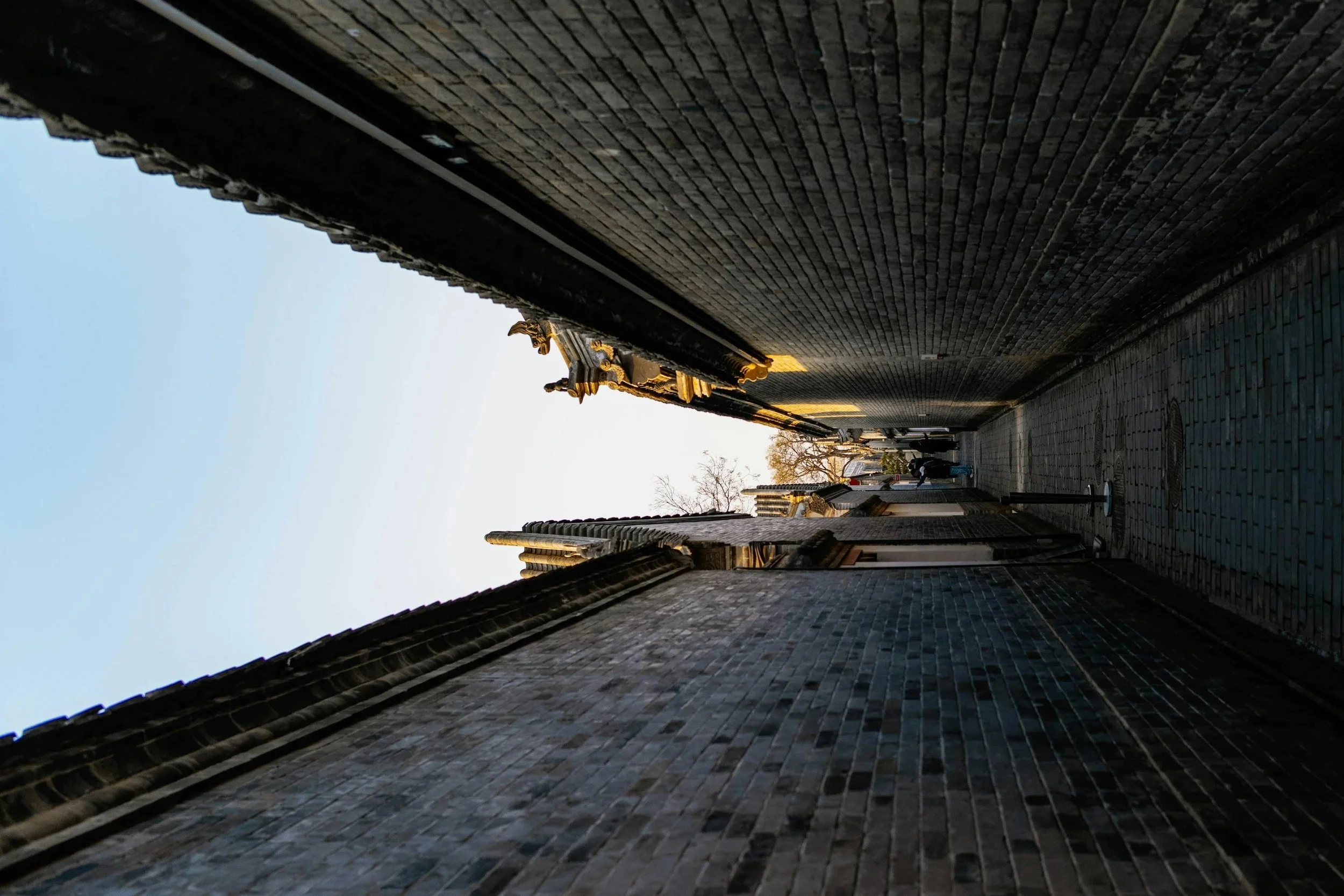
Beijing’s best-known heritage rises on a monumental scale: palaces, gates, walls, and an imperial axis.
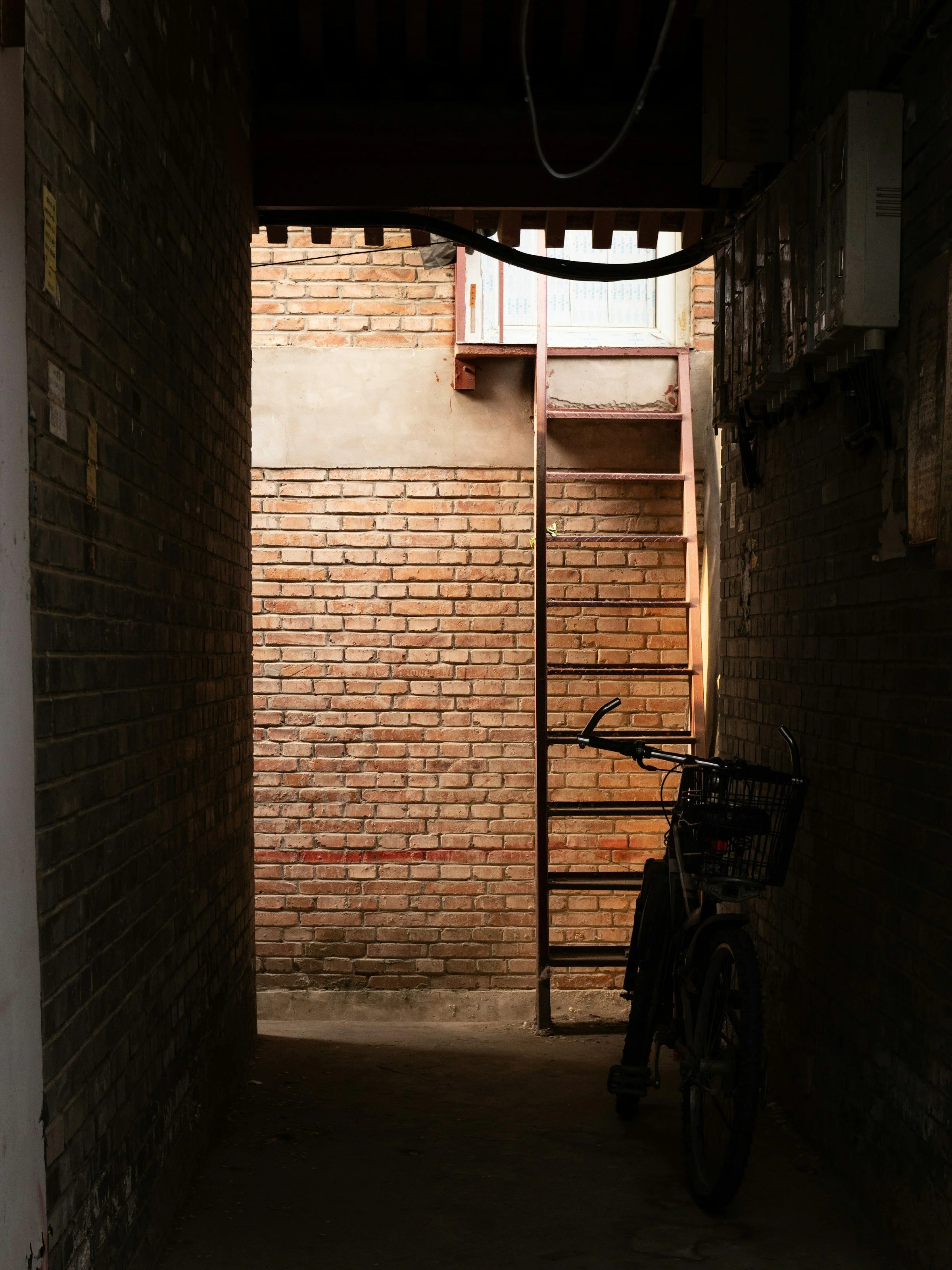
However, much of the city’s cultural life was made in smaller worlds—inside cricket pots, beneath courtyard eaves, around family stoves, and on copper trays small enough to hold an entire opera.
For generations, hutong residents kept singing insects, matched fighting crickets, flew pigeons whose whistles turned the sky into an instrument, and fashioned tiny bristle-bottomed actors that spun to life at the tap of a tray. These practices were not museum pieces. They were hobbies, household knowledge, neighborhood theatre, and ways of spending an afternoon together.
Over the course of one day in Beijing, enter the private courtyards, kitchens, and workshops where these traditions live on.
Learn how a fighting cricket is housed, judged, weighed, and matched; cook a Beijing lunch in a family kitchen and eat with your host; assemble and tune a traditional pigeon whistle; then make a bristle figurine and set your miniature performer dancing.
Guided by keepers, cooks, craftspeople, and an inkstone host, Hidden Hutong reveals a Beijing that cannot be read from its monuments alone.
You will leave with objects made by your own hands—and memories of the sounds, sights, humor, and sociability that once animated everyday life between the city’s grey walls.
Documented accounts of Beijing cricket keeping, Beijing’s official record of pigeon-whistle craftsmanship, and municipal heritage documentation for Beijing bristle figurines.
PROGRAM OVERVIEW Enter a cricket keeper’s world, cook & eat lunch in a private courtyard kitchen, tune a pigeon whistle, and set a handmade bristle figure dancing.
Discover the world hidden behind hutong walls.
Minimum age: 12+ with guardian present
Language: English, led by bilingual guide
Group size: 4-10 people
Activity level: Low - walking only
Accommodation: Available on request
DATES & PRICING1 Day (9 hours) - USD 200 per person
Private Departures Only (min. 4 people):
On request; flexible dates with optional add-ons.
RSVP at least one week in advance.
Optional Add-Ons:
Dinner banquet (6PM - 8PM)
Beijing after dark (8PM - 12AM)
Boutique hutong accommodation
Included:
Transport in Beijing (hotel pickup & drop-off)
Lunch in a private courtyard kitchen
All fees: attractions, activities, supplies
Travel accident insurance
Excluded:
Luxury souvenirs/memorabilia/art
Flights and airport transfer fees
China visa, passport, immigration fees
Personal expenses

Itinerary
-
Enter a private courtyard to meet a longtime keeper of Beijing fighting crickets. Over tea, examine the small clay pots, feeding dishes, scales, brushes, and carrying cages that surround the practice. Learn how keepers judge a cricket’s form and temperament, how insects are housed and fed, and why opponents must be carefully matched by weight.
During cricket season, observe a brief, keeper-controlled contest and learn its traditional rules and rituals. Guests participate by weighing the crickets, studying their characteristics, and recording the match—without betting or unmanaged handling.
Cricket keeping was once a conspicuous part of autumn life in Beijing, with enthusiasts gathering in neighborhood courtyards to compare insects and stage matches.
-
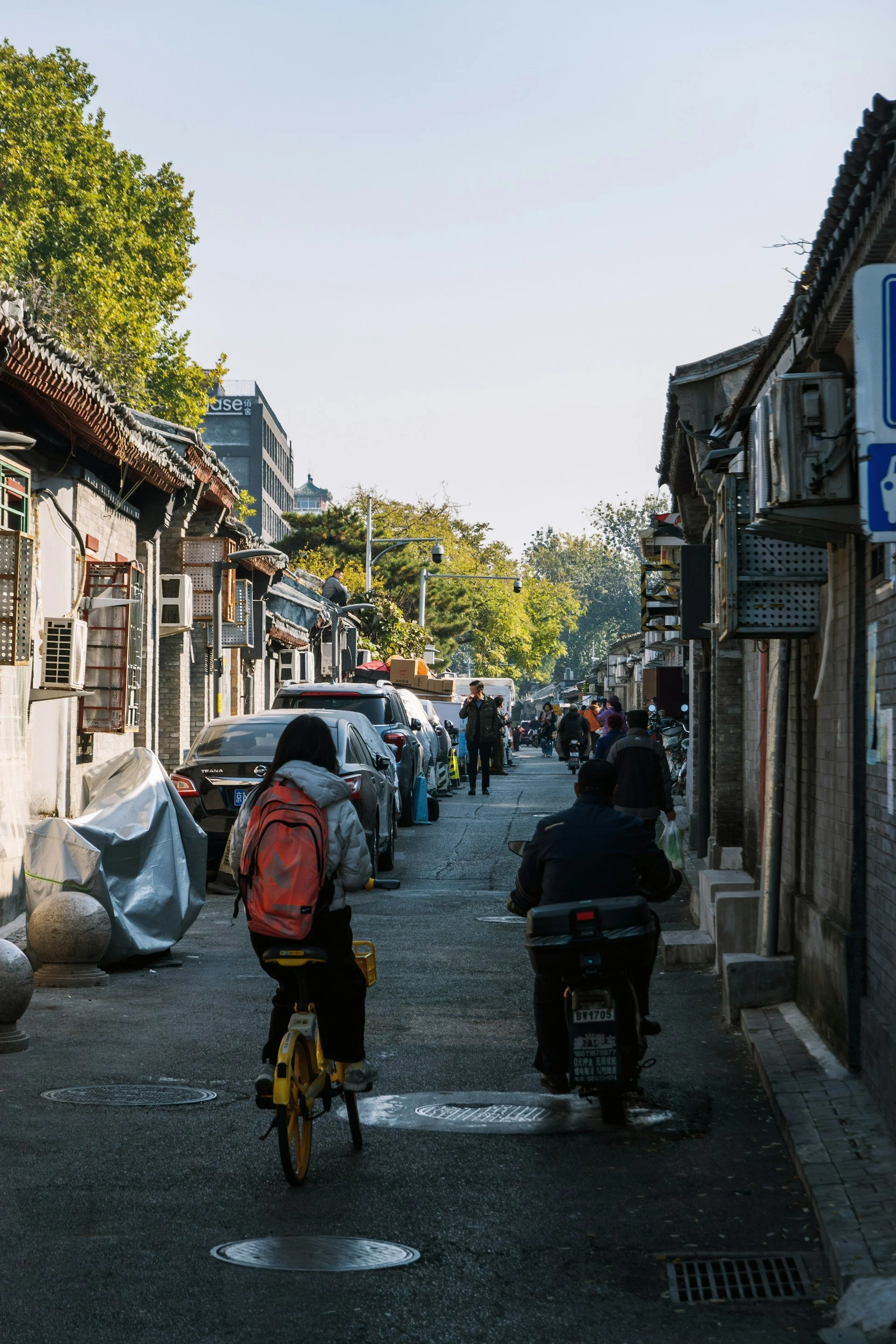
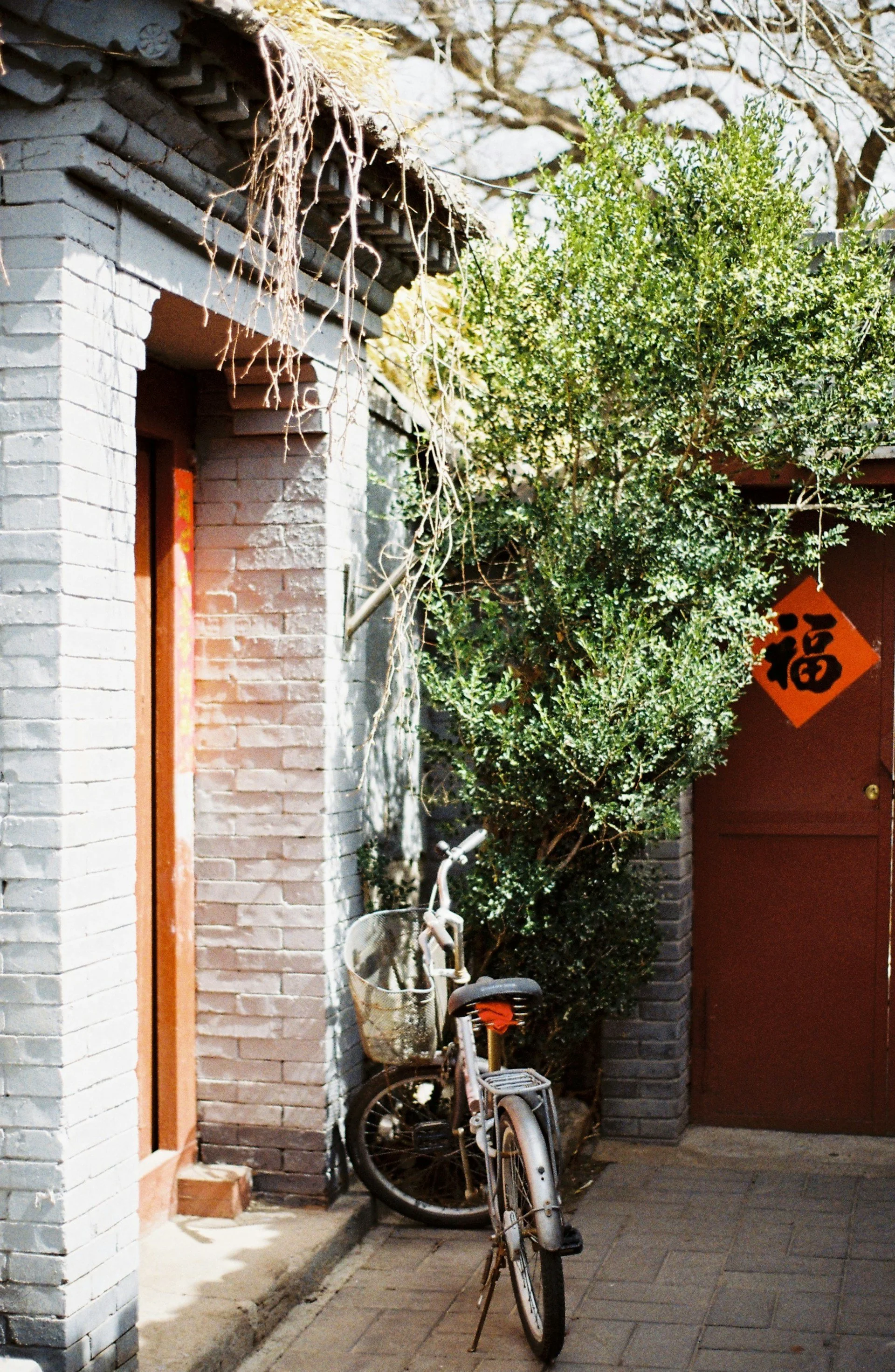
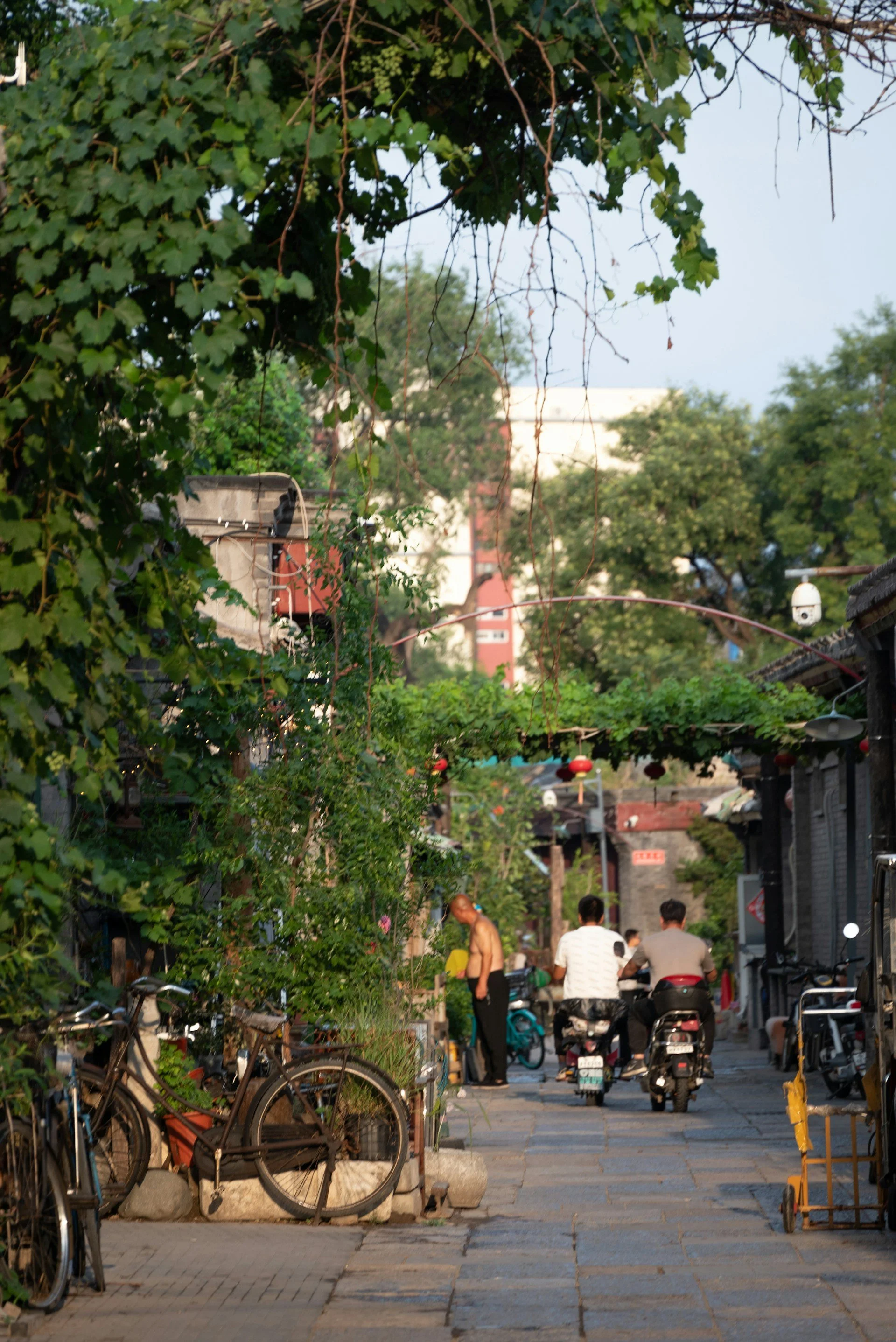
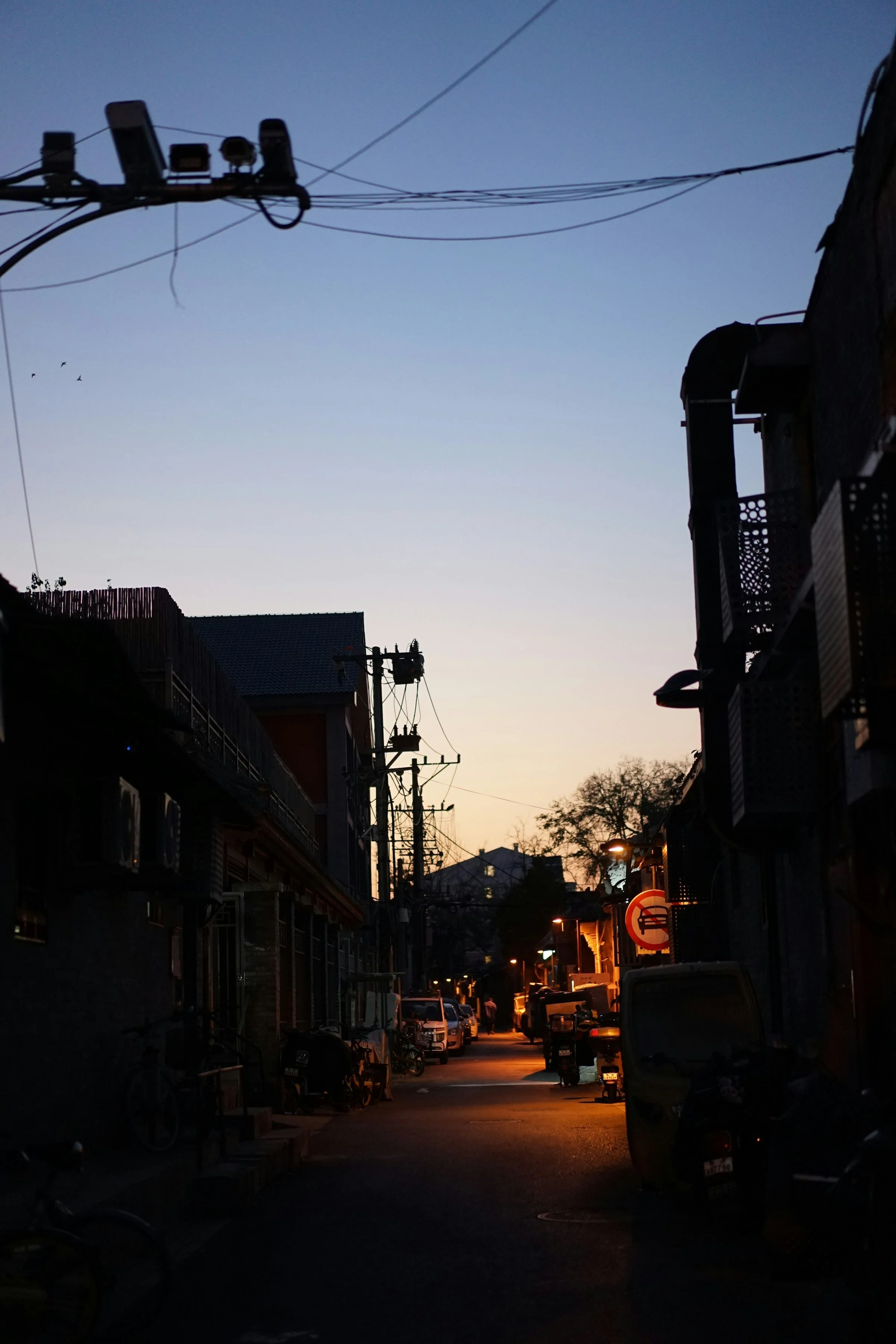
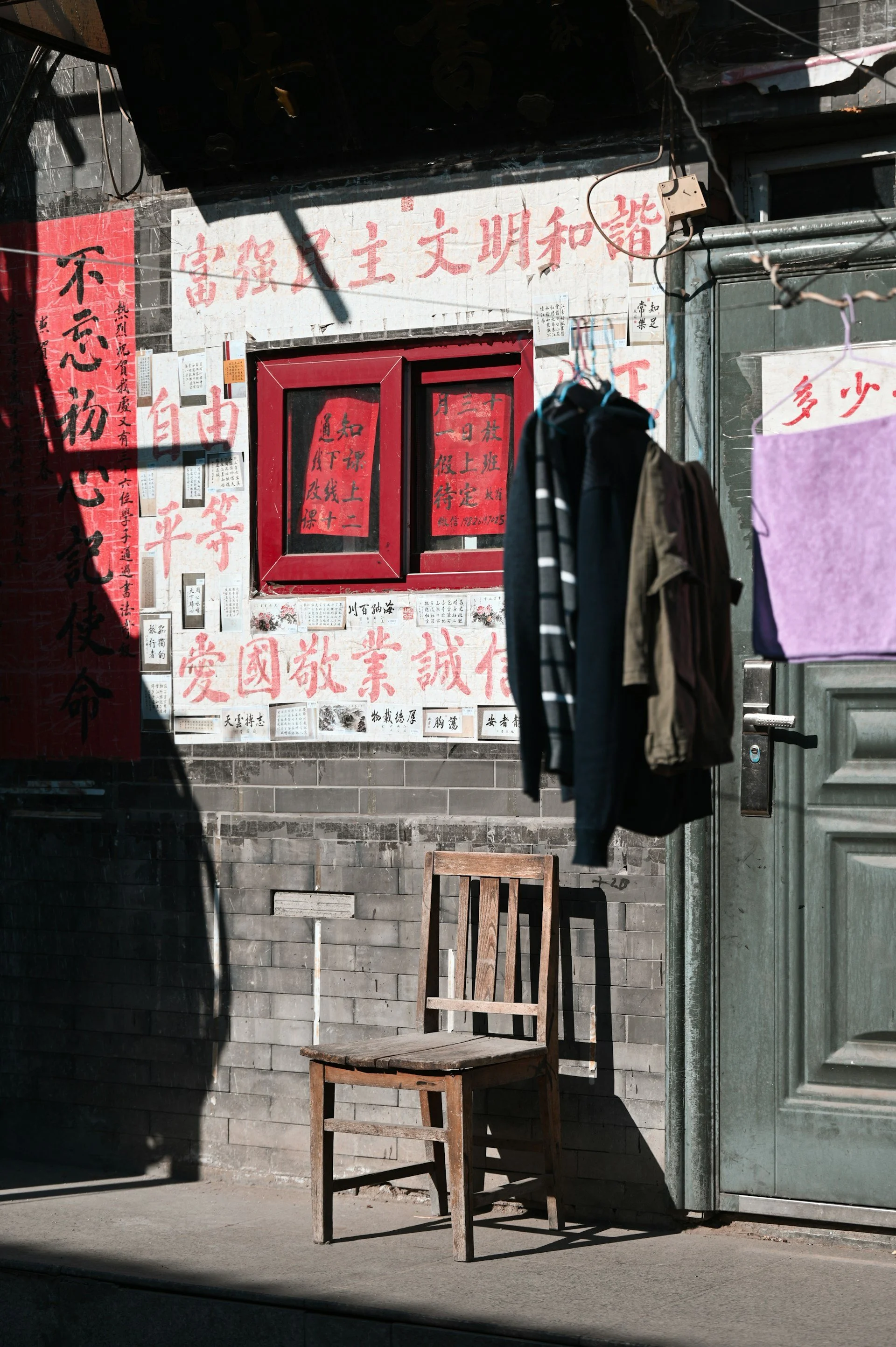
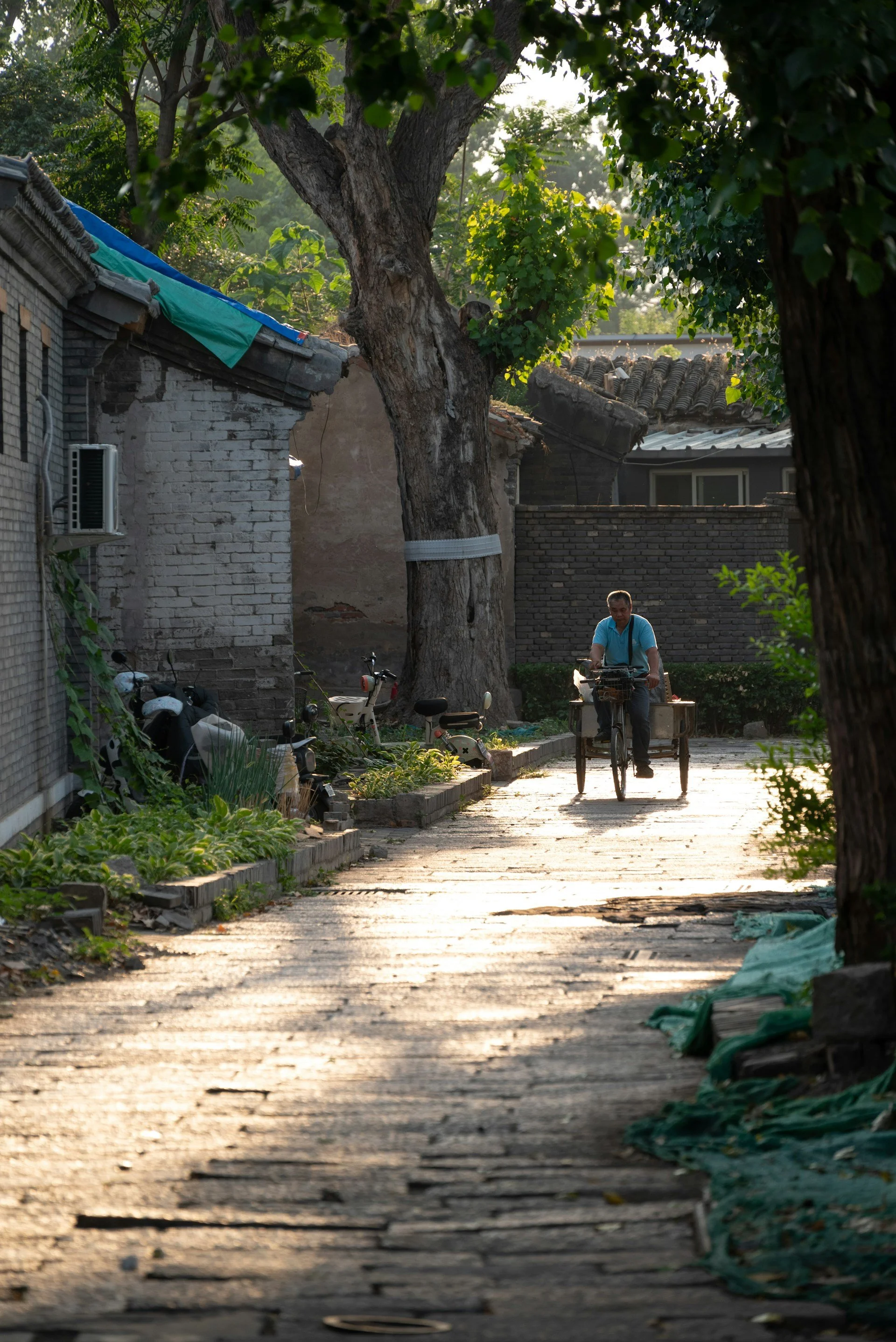
Walk through a quieter residential section of a hutong. Observe details that reveal how courtyard neighborhoods actually function behind the restored façades.
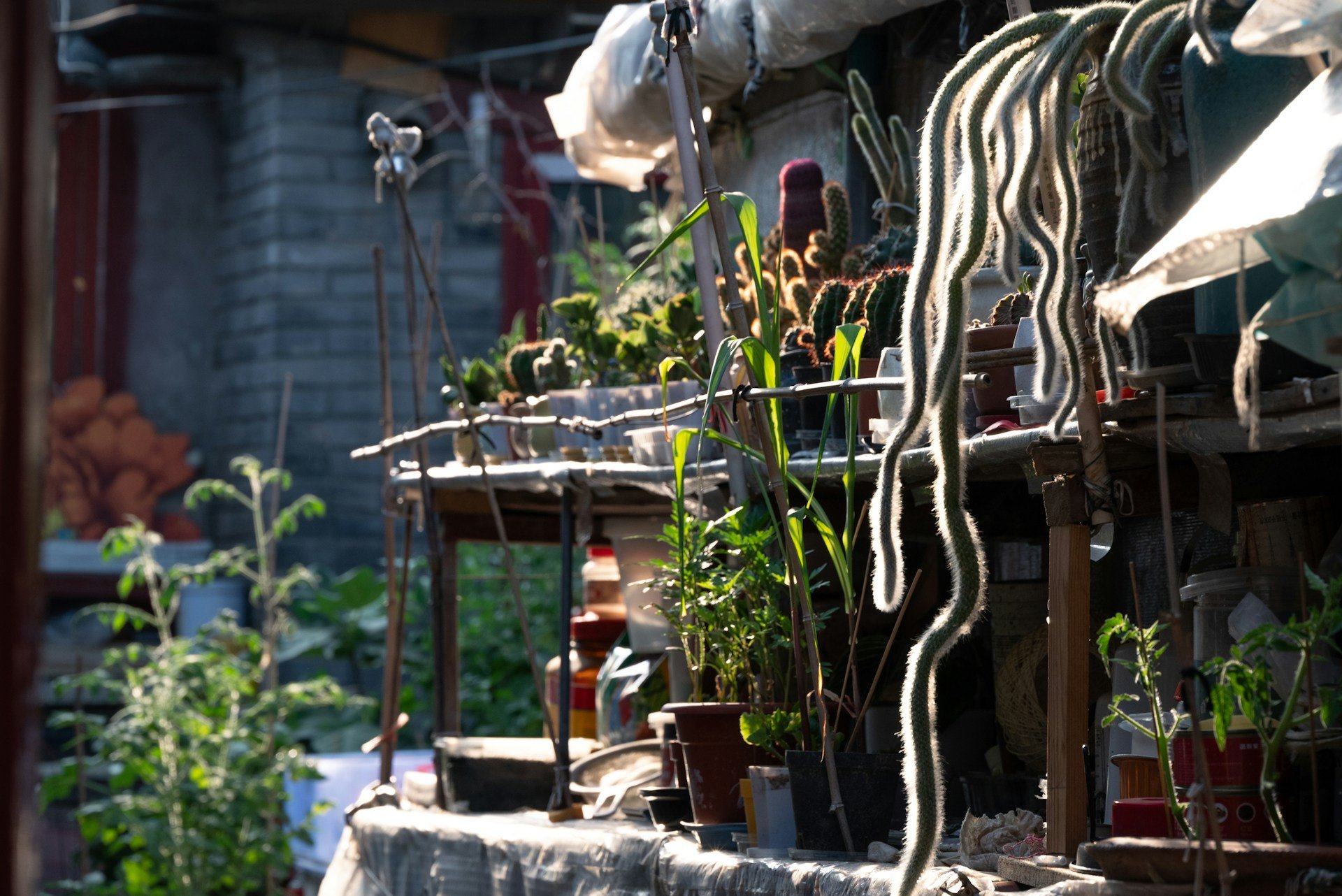
Step inside a private courtyard kitchen. Working alongside your host, knead and roll noodles, prepare a traditional Beijing-style zhajiang sauce and seasonal toppings, and make one or two household dishes.
Over lunch, learn how residents cooked, preserved food, shared limited space, and adapted family recipes to the compact kitchens of courtyard homes.
-
Meet a maker or keeper connected to Beijing’s pigeon-whistle tradition. Once attached to the tail feathers of domestic pigeons, these remarkably light instruments transformed a circling flock into an airborne orchestra above the city’s tiled roofs.
Handle whistles made from bamboo, reed, and gourd; compare their forms and tones; and learn how makers balance weight, airflow, and pitch. Assemble, decorate, and tune a simplified whistle or miniature study piece to take home. If the birds, weather, and keeper allow, listen as a regularly exercised flock passes above the hutong.
Beijing’s cultural authorities continue to identify pigeon whistles as part of the distinctive soundscape and living memory of old Beijing.
-
Enter the tiny theatrical world of the Beijing bristle figurine, or zōngrén*. Inspired by Peking opera and shadow puppetry, each figure is built from sorghum stalk, clay, colored paper, and a ring of pig bristles. When placed on a copper tray and gently vibrated, the figures turn, collide, and appear to perform.
Under an artisan’s guidance, construct and dress a simplified opera character. Then place it on the tray and bring the miniature performer to life.
*The craft is sometimes called pánzhōng xì—“theatre in a tray.”
-
Conclude over tea with inkstone.
Consider why some traditions survive, why others disappear, and what it means to encounter hutong heritage as it continues to evolve.